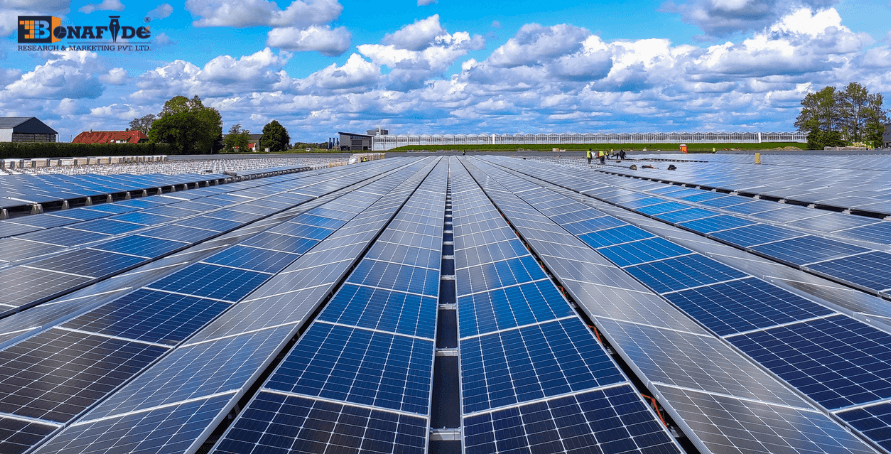
Solar panel made out of photovoltaics cells that helps in convert of sun’s energy into electricity. PV cells is created and made in layers which is silicon each layers have different properties, which is energized and as soon as it gets hit by photons from sunlight, electricity is generated. Solar panel produces a direct electricity. Some of the advantages of solar panels are it is installed in wide range of places. It can also be installed in rooftop and support local biodiversity. Solar panels don’t create noise pollutions while they create electricity, thus this us to makes install in large space and requires lot of spaces. They are made from silicon sheets and there is no danger of leaking or emission of any toxin’s fumes. There are three types of solar panels mainly monocrystalline, polycrystalline and thin-film solar panel. Each panel has its own features. Monocrystalline solar panel is single pure silicon crystals. These are most space-efficient and longest-lasting among solar panels. However, it is expensive and lot of silicon is used to manufacture. It has efficiency rate of 15%.
Polycrystalline solar panel is used to make different silicon crystals which is through melting into square mold.
According to the research report, "Global
Solar Panel Coating Market Outlook, 2030," published by Bonafide Research, the Global Solar Panel Coating market was valued at more than USD 4.26 Billion in 2024, and expected to reach a market size of more than USD 12.54 Billion by 2030 with the CAGR of 20.13% from 2025-2030. This less efficient in terms of conversion of heat and space. They have low level of heat tolerance. Thin film solar panel is made of different particles and therefore this solar panel is very less effective, requires lot of space to generate electricity. Thin film solar panel also has variations, cadmium telluride, amorphous silicon and
copper indium gallium selenide. Cadmium is basically low-cost and is the lowest of carbon footprint. If it recycles then it becomes more expensive. Amorphous silicon requires less silicon and therefore it produces low cost at the expenses of efficiency. It is used in places which have use of less power. Copper indium gallium selenide, this panels is a layer of copper, gallium and
selenium. This is highly efficient among the thin panels but not as efficient as crystalline silicon panels. This thin film solar panel is in less demand they have less price as compared to silicon panels.
The Asia Pacific region is the dominant force in the global solar panel and coating market. Countries such as China, India, and Japan are leading the charge due to their aggressive push toward
renewable energy adoption and solar energy generation. China, in particular, stands out as the world’s largest producer and consumer of solar panels, accounting for a significant portion of the global market share. The government's favorable policies, including subsidies, tax incentives, and
green energy targets, have accelerated solar energy installations across residential, commercial, and industrial sectors. India is also making substantial strides in expanding its solar energy capacity, supported by initiatives aimed at reducing dependency on fossil fuels and combating air pollution. Furthermore, Japan's commitment to energy diversification and its strong technological expertise have contributed to the growth of solar panel adoption in the region. The rapid technological advancements in solar panel coatings, aimed at improving efficiency, durability, and
weather resistance, have further fueled the market's growth. As the region continues to prioritize environmental sustainability, the Asia Pacific market is expected to maintain its leadership position in the global solar panel and coating sector.
The global solar panel and coating market is segmented by various coating types, each offering specific advantages for solar panel efficiency and longevity.
Anti-reflective coatings are widely used to increase the absorption of light into solar panels, enhancing their overall energy conversion efficiency. These coatings help reduce light reflection, allowing more sunlight to penetrate the solar cells. Anti-soiling coatings are designed to prevent the accumulation of dust, dirt, and other particles on the
surface of solar panels. This is particularly beneficial in regions with high dust levels, as it ensures that the panels continue to function at optimal efficiency without the need for frequent cleaning. Hydrophobic coatings are used to repel water and other liquids, preventing water droplets from settling on the panel and causing damage or reducing efficiency. Lastly,
anti-corrosion coatings protect solar panels from environmental factors like humidity, saltwater, and pollutants that can cause corrosion, thus extending the lifespan and durability of solar panels. The development and application of these coatings play a significant role in improving the performance and longevity of solar panels, which is driving the growth of the global solar panel and coating market.
The global solar panel and coating market is also categorized based on application. Residential applications are growing as more homeowners adopt solar energy to reduce electricity costs and promote sustainability. The increasing installation of rooftop solar panels in residential areas, driven by government incentives and falling prices of solar systems, is boosting the demand for solar panel coatings that enhance performance and durability. Commercial applications are another major driver, with businesses and commercial buildings increasingly investing in solar installations to reduce operational costs and meet corporate sustainability goals. Commercial properties often use larger-scale solar installations, where coatings play a crucial role in ensuring long-term efficiency and reducing maintenance costs. Utility-scale applications involve large solar farms, which generate significant amounts of energy for the grid. These installations require robust solar panel coatings to withstand harsh environmental conditions and maximize energy production over the long term. As the demand for clean energy continues to rise, the need for high-quality solar panel coatings for residential, commercial, and utility-scale applications is driving market growth globally.
Technology plays a pivotal role in the development of solar panel coatings, with various innovations aimed at improving efficiency, durability, and functionality. Nanotechnology-based coatings utilize nanoparticles to create thin, high-performance layers that enhance solar panel efficiency by increasing light absorption and preventing dirt accumulation. These coatings also improve the durability of panels by making them more resistant to environmental factors. Thin-film coatings are another popular technology, offering a lightweight and flexible alternative to traditional solar panel coatings. These coatings are particularly suitable for applications where weight and flexibility are important, such as in portable solar panels or on uneven surfaces. Spray coatings are a cost-effective solution for applying coatings to large surface areas. This method is commonly used for mass production of solar panels, ensuring uniform coverage and reducing manufacturing costs. Finally, vacuum deposition coatings involve the deposition of thin layers of material onto the solar panel under vacuum conditions. This method is known for its precision and ability to create high-performance coatings that improve solar panel efficiency and longevity. The continuous evolution of these technologies is driving innovation in the solar panel and coating market, pushing it toward higher efficiency and more
sustainable energy solutions.











 We are friendly and approachable, give us a call.