The
frozen food market in the Asia Pacific is developing as the rate of working women around the region incremented along with their busting schedule. The key drivers for development in the local market are an expansion in the number of labourers and furious working routine. Along with this, the accommodation of an active way of life and the expanded interest in ready to eat food has enhanced the product adaption. An increase in the young population is probably going to positively affect the
general interest for frozen food products, particularly due to a rising degree of extra cash and a decrease in the time allotted for cooking. In addition to that, innovation in products can prompt interest during the predicted time frame. As the desires for quality frozen food have mounted among the customers' China, India and Japan have been the main market for frozen food utilization.
The Asia Pacific market is available with new trends and drivers which are forcing the industry to do continuous innovation in each segment. An increase in demand for frozen food led to the growth of each segment such as frozen ready meals, frozen
meat, and
poultry, frozen fruits and vegetables, etc due to an increase in a hectic life and change in consumer buying patterns.
According to the research report "Asia Pacific Frozen Food Market Overview, 2029," published by Bonafide Research, the Asia pacific Frozen Food market is anticipated to grow at more than 6.29% CAGR from 2024 to 2029.Out of these forms of frozen foods; frozen meat products generate the highest revenue and very much popular among consumer diets. The continuous improvement and innovation in the quality of these products led to an increase in demand in the market. Frozen food has come a long way in terms of offering product variants and quality of food. However, it still seen and choose by the consumer as a second fiddle to fresh product and perceived as a backup option when the customer is not able to purchase grocery items or fresh items have run out. The individuals who purchase more frozen food are parents with the responsibility of kids as well as work and the older generation who show higher engagement in consumption of all types of food. On the bases of consumption, the foodservice market is evaluated to represent the large portion in the Asia Pacific market which includes caf quick service restaurants, bars, lodging, and healthcare. The frozen food market in the Asia Pacific has always focused on the new product innovation and continuous improvement of products in a different segment. The digitalization of the retail market industry has seen a change in the purchase from the traditional market to buying frozen food on
e-commerce which helps the consumer and makes it convenient to pick products as per their preference. Consumers can compare a variety of products from various brands without consuming much time on
online shopping.
The frozen food market in the Asia-Pacific region offers a diverse array of products to cater to the varied tastes and preferences of consumers across different countries and cultures. One prevalent category of frozen food products includes frozen
seafood, reflecting the region's abundant marine resources and culinary traditions. Frozen fish,
shrimp, squid, and other seafood items are popular choices for consumers looking for convenient and high-quality options to incorporate into their meals. Additionally,
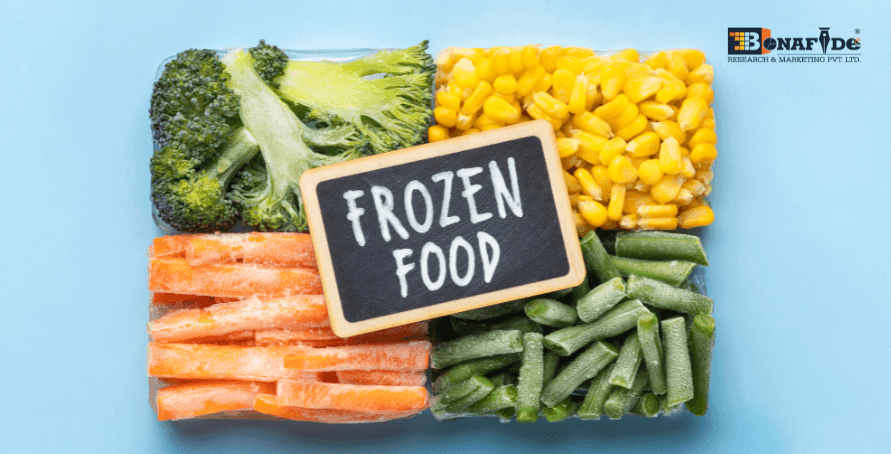
frozen vegetables and fruits are widely available, providing convenient access to nutritious produce year-round. These frozen options often retain their freshness, flavor, and nutritional value, making them versatile ingredients for cooking,
smoothies, and snacks. Ready meals and convenience foods are also prominent in the Asia-Pacific frozen food market, offering consumers quick and easy meal solutions for busy lifestyles. This category includes a variety of frozen meals, such as dumplings, spring rolls, curries, and noodle dishes, inspired by the diverse culinary traditions of the region. These ready-to-eat options cater to consumers seeking convenient and flavorful meal options without compromising on taste or quality. Moreover, frozen snacks and appetizers, such as samosas, gyoza, and dim sum, are popular choices for snacking or entertaining, providing convenient options for parties and gatherings.
The Asia-Pacific frozen food market includes a range of specialty and premium products to meet the growing demand for higher-quality frozen foods. This includes gourmet frozen meals, artisanal desserts, and innovative frozen treats that cater to discerning consumers looking for unique flavors and experiences. Additionally, the region has seen a rise in frozen plant-based and vegetarian options, reflecting the growing interest in meat-free alternatives and healthier eating habits among consumers. In the frozen food market in the Asia-Pacific region, ready meals offer a diverse array of options to cater to the varied tastes and preferences of consumers across different countries and cultures. Traditional Asian ready meals are prominent, featuring a wide range of cuisines such as Chinese, Japanese, Thai, and Indian. These ready meals often include favorites like dumplings, spring rolls, curries, stir-fries, and noodle dishes, providing convenient and flavorful options inspired by authentic recipes. Moreover, there's a growing trend towards healthier and more innovative ready meal options, including plant-based and vegetarian choices, reflecting the evolving dietary preferences and lifestyles of consumers in the region. In the Asia-Pacific frozen food market, potatoes are available in various forms to meet different culinary needs and preferences. One prevalent type of frozen potato product is
French fries, offered in a variety of cuts and seasonings to suit diverse tastes.
Foodservice and institutional channels play a vital role in the distribution of frozen food products in Asia Pacific. Restaurants, cafes,
catering services, and other foodservice establishments purchase frozen ingredients and pre-
prepared meals to streamline their operations, reduce food waste, and ensure consistency in menu offerings. Similarly, institutions such as schools, hospitals, and correctional facilities rely on frozen food products for their meal programs, providing convenient and cost-effective solutions for feeding large volumes of people. Moreover, wholesale and distribution channels facilitate the movement of frozen food products from manufacturers to retailers, foodservice operators, and institutional buyers. Distributors play a crucial role in managing inventory,
logistics, and warehousing, ensuring that frozen foods reach their intended destinations efficiently and in optimal condition. Additionally, direct sales channels, such as farmer's markets, specialty food stores, and food co-ops, provide opportunities for smaller-scale producers to connect with consumers seeking locally sourced and artisanal frozen food products. Online retail platforms have emerged as a significant sales channel for frozen foods, allowing consumers to browse and purchase products from the comfort of their homes and have them delivered directly to their doorstep. E-commerce platforms offer a convenient way to access a broader selection of frozen food options, including specialty and niche products that may not be available in brick-and-
mortar stores.

















 We are friendly and approachable, give us a call.