The Europe
frozen food market is currently booming, as people are moving towards the frozen food segment due to time constraints in the modern lifestyle. The customer base is increasing gradually for frozen food items. Frozen food has covered as many segments varying from frozen potato to frozen snacks. The manufactures of frozen food items are very high in Europe but the number of manufacturers of frozen raw materials items such as frozen potatoes, frozen
meat, and
poultry items is comparatively low. Commercial users are QSRs, restaurants; hotels, etc. who are looking for low-cost supplies to earn a high margin in revenue. Newcomers having good freezing techniques, freezing storages, and transportation facilities can thrive in the market. Many players cover the frozen food market across the Europe region and they are providing a wide array of products from
frozen vegetables and fruits, frozen snacks,
frozen desserts, frozen meat and poultry items, frozen fish, soups, etc. Distribution channels consisting of supermarkets, hypermarkets, grocery stores, online platforms, etc are very much enough to sell the frozen items. People are becoming more health-conscious and are now more attentive about their consumption. The wide array of products provided by current and new players are thriving the market and it is expected to rise by the forecast period as well.
According to the research report, ?€?Europe Frozen Food Market Outlook, 2029," published by Bonafide Research, the Europe Frozen Food market is anticipated to add to more than USD 22 Billion by 2024?€“29. The benefits of frozen food still have a threat from fresh food items and raw materials. On the other side, the increasing hectic life due to work people is now switching to frozen ready to eat products as it provides convenience. The market has been driven by the premiumization of the products and innovations in the quality of foods that help the consumers to get a better choice of products. These choices of the products have been well enhanced with the increasing availability of the products through the retail landscape vastly dominated by supermarkets and hypermarkets. Factors that are driving this segment include advancement in freezing technologies, technological innovations, better supply chain solutions, etc. The market has seen increasing rivalry between vendors on the aspects of pricing, innovation, expertise in technology price differentiation, brand name, and nature of administration. The demand for convenient ready to eat food items is the main consideration driving the frozen food market in Europe, as these food items decrease cooking and preparation time and cleaning efforts and time for purchasers. To certain buyers, frozen food is thought of as an item that is a substitute for fresh and natural food, which is one of the significant restrictions for this market.
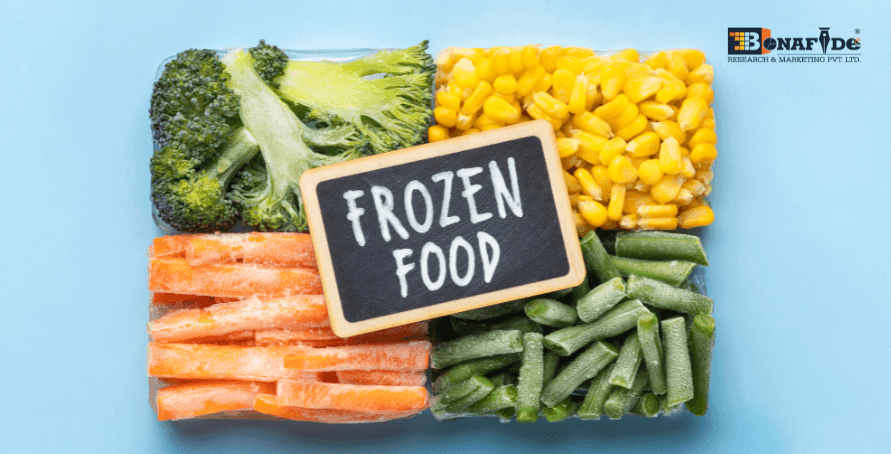
The frozen food market in Europe offers a diverse array of products to meet the varying needs and preferences of consumers. One prominent category includes frozen fruits and vegetables, providing convenient access to nutritious produce year-round. These frozen options often retain their flavor and nutritional value, making them popular choices for
smoothies, side dishes, and ingredient additions in recipes. Another significant segment comprises frozen meals and entrees, ranging from traditional comfort foods like lasagna and pizza to healthier options like quinoa bowls and vegetable stir-fries. These frozen meals cater to consumers seeking convenient, ready-to-eat solutions for busy lifestyles, with many options available to accommodate dietary restrictions and preferences such as gluten-free, vegetarian, and organic. Additionally, the frozen snack category continues to grow, offering an assortment of appetizers, finger foods, and treats perfect for quick bites or entertaining. This category includes items like frozen appetizer platters, chicken nuggets, and mini-pizzas, providing convenient options for snacking or hosting gatherings. Moreover, the frozen dessert segment offers a wide selection of indulgent treats, including
ice cream, gelato, frozen
yogurt, and novelties like ice cream sandwiches and popsicles, appealing to consumers of all ages.
In Europe, ready meals encompass a broad range of options tailored to meet diverse consumer preferences and dietary needs. One prevalent type of ready meal is the classic comfort food, such as lasagna, macaroni and
cheese, and spaghetti with meatballs, providing convenient and satisfying options for quick dinners or lunches. Additionally, there's a growing demand for healthier ready meals, including quinoa bowls, vegetable stir-fries, and grain-based salads, catering to consumers seeking nutritious and balanced meal solutions. Ethnic cuisines also play a significant role in the ready meal category, with options ranging from Mexican enchiladas and Thai curry to Indian tikka masala, reflecting the multicultural palate of Europe consumers. Potatoes hold a prominent place in the frozen food market in Europe, with various types of potato products catering to different tastes and occasions. One common type is frozen
French fries, available in a multitude of shapes and sizes, from classic straight-cut fries to curly fries and waffle-cut fries. These versatile potato products are a staple in many households, serving as a convenient side dish or snack option. Additionally, frozen hash browns and potato wedges offer easy-to-prepare alternatives for breakfast or as accompaniments to meals.
In the Europe frozen food market, end users span a wide spectrum, reflecting the diverse range of consumers and their needs. One significant end user group comprises busy individuals and families seeking convenient meal solutions that require minimal preparation time. For these consumers, frozen foods offer a hassle-free way to enjoy nutritious and delicious meals without sacrificing taste or quality, making them ideal for quick weeknight dinners or on-the-go lunches. Additionally, frozen foods cater to households with hectic schedules or dual-income earners, providing a time-saving option for meal planning and preparation. Another key end user segment includes health-conscious consumers looking for nutritious and wholesome options in their diet. Frozen fruits and vegetables appeal to this group, offering convenient access to produce that is often flash-frozen at peak ripeness, locking in nutrients and freshness. Moreover, the availability of healthier frozen meal options, such as organic, gluten-free, and low-sodium varieties, caters to consumers seeking balanced and nutritious meal solutions without compromising on convenience. Furthermore, frozen foods serve as a valuable resource for institutions and foodservice establishments, including schools, hospitals, and restaurants. Bulk quantities of frozen ingredients, pre-cooked meals, and portion-controlled servings are commonly used in these settings to streamline meal preparation, ensure food safety, and manage costs effectively. Additionally, frozen food manufacturers and distributors themselves represent a significant end user group, utilizing frozen ingredients and semi-prepared products in their production processes to create a wide range of frozen food offerings for retail and foodservice channels.
Foodservice and institutional channels play a vital role in the distribution of frozen food products in Europe. Restaurants, cafes,
catering services, and other foodservice establishments purchase frozen ingredients and pre-
prepared meals to streamline their operations, reduce food waste, and ensure consistency in menu offerings. Similarly, institutions such as schools, hospitals, and correctional facilities rely on frozen food products for their meal programs, providing convenient and cost-effective solutions for feeding large volumes of people. Moreover, wholesale and distribution channels facilitate the movement of frozen food products from manufacturers to retailers, foodservice operators, and institutional buyers. Distributors play a crucial role in managing inventory,
logistics, and warehousing, ensuring that frozen foods reach their intended destinations efficiently and in optimal condition. Additionally, direct sales channels, such as farmer's markets, specialty food stores, and food co-ops, provide opportunities for smaller-scale producers to connect with consumers seeking locally sourced and artisanal frozen food products. Online retail platforms have emerged as a significant sales channel for frozen foods, allowing consumers to browse and purchase products from the comfort of their homes and have them delivered directly to their doorstep.
E-commerce platforms offer a convenient way to access a broader selection of frozen food options, including specialty and niche products that may not be available in brick-and-
mortar stores.


















 We are friendly and approachable, give us a call.