Frozen foods lead to an increase in the shelf life of the food without losing its nutrients. This has led the companies invest in various technologies to store refrigerated dough,
frozen vegetables, and
meat, which are partially or fully cooked. Factors determining the
frozen food market are the preference for fresh and natural food products in the event of unavailability of home-cooked food. Consumers are now more inclined toward the health and quality of frozen food they purchase, and in addition to that, there is an increase in demand for premium food and nutrition products. The reduction of the joint family to a nuclear family has given rise to the adaption of such products due to their busy lifestyle. This has allowed the manufacturers to produce new products to meet the rising demand for frozen food among consumers. The utilization of frozen foods has also been driven by hotel chains,
fast food restaurants, and cash & carry outlets. This significant growth has largely been supported by frozen meat products, which include frozen
beef, pork, chicken, and
poultry,
mutton, lamb, and others. The advantages of having vitamins and minerals intact for a longer period of time as freezing conserves the products have let the market grow rapidly.
According to the research report, "Global Frozen Food Market Outlook, 2029," published by Bonafide Research, the Global Frozen Food market was valued at more than USD 245 Billion in 2023, and expected to reach a market size of more than USD 329 Billion by 2029 with the CAGR of 5.16%. People are increasingly turning to frozen fruits and vegetables to get the nutrition they require. Exotic or seasonal fruits and vegetables are now widely available, with vitamins and minerals carefully preserved by freezing. The awareness regarding protein and nutrition has led to significant demand for frozen fish and other kinds of
seafood owing to the demand for longer shelf life by the millennial consumer with a hectic schedule that prevents them from running for fresh cooking ingredients. Individually quick-frozen, a developing trend, means that all the things in a frozen food parcel are frozen exclusively, and not in a block. The strategy includes sending each bit of food through a blast
chiller on a transport line or
conveyor belt. This guarantees significant freshness in the food items after defrosting. When frozen using the IQF procedure and pressed in a container, lidded plate, or frozen and crystallized PET plate, a measure of peas, for example, will sell faster due to its freshness when compared to one frozen using the traditional refrigerant method. Given consumption, the foodservice segment is assessed to represent the biggest offer in the frozen food market in the current period and the future as well. The foodservice industry incorporates eateries, QSRs (Quick Service Restaurants), bars, and lodgings.
Europe has established itself as a leader in the frozen food market industry primarily due to the growing consumer demand for convenient and high-quality food options that cater to diverse dietary preferences and busy lifestyles. With urbanization on the rise, more Europeans are leading a fast-paced life, which has significantly increased the demand for quick and easy meal solutions. Frozen foods offer the perfect answer, providing convenience without compromising on nutritional value or taste. Advancements in freezing technology have greatly improved the quality and variety of frozen food products available in the European market. Modern freezing techniques ensure that food retains its freshness, flavor, and nutritional content, making frozen products an attractive option for health-conscious consumers. The availability of a wide range of frozen foods, including fruits, vegetables, ready-to-eat meals, seafood, and meat, caters to various dietary needs and preferences, further boosting market growth. The European market is also driven by a strong emphasis on food safety and quality standards. Stringent regulations and high consumer expectations ensure that frozen food products meet rigorous quality checks, providing consumers with a sense of trust and reliability in their purchases. This focus on quality has helped build a positive perception of frozen foods, overcoming any previous biases towards fresh over frozen.
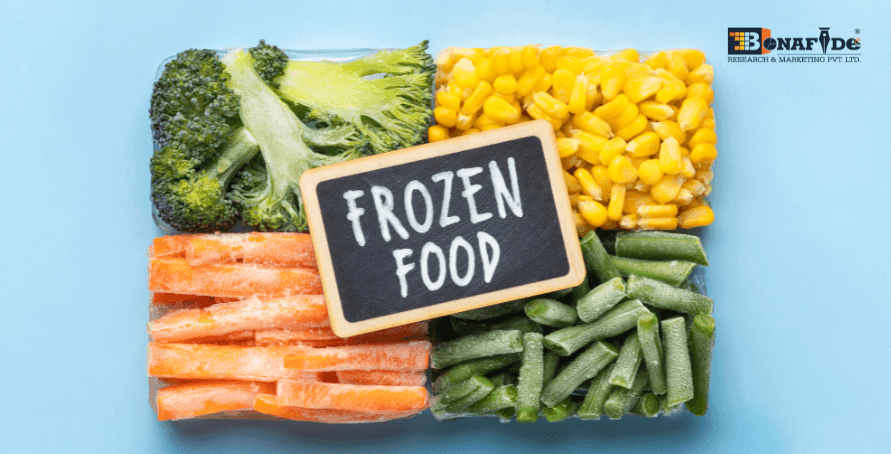
The frozen food market encompasses a diverse range of products designed to meet various consumer needs and preferences. Key categories include frozen vegetables and fruits, which offer convenience and extended shelf life while preserving nutritional value. Ready-to-eat meals and meal kits are popular for their ease of preparation and variety, ranging from traditional comfort foods to gourmet and ethnic cuisine. Frozen meats, poultry, and seafood provide a convenient solution for protein intake without compromising on quality.
Dairy products, such as
ice cream and frozen
yogurt, are staples in the dessert category, while frozen bakery items like bread, pastries, and dough cater to those seeking freshly baked goods with minimal preparation. Additionally, plant-based and vegetarian frozen products are growing in popularity, reflecting the increasing demand for healthier and more sustainable food options. These varied offerings make the frozen food market a versatile and essential segment of the food industry. Proactive lifestyle has urged people to consumer frozen food products whenever they have spare time. Easier availability of frozen foods has influenced the purchasing patterns of consumer regarding dietary products, rendering a firm place for frozen foods in their list of daily consumables. The frozen food market offers a wide variety of potato products, catering to different culinary preferences and meal occasions.
Among the most popular are
French fries, which come in various cuts and styles such as crinkle-cut, shoestring, waffle, and steak fries, appealing to different textures and tastes. Hash browns and tater tots are breakfast staples that also make versatile side dishes or snack options. For those seeking convenience and versatility, frozen mashed potatoes and potato wedges provide quick and easy solutions for home-cooked meals. The frozen fish and seafood segment in the frozen food market is extensive and diverse, offering products that cater to various culinary preferences and dietary needs. Popular options include fish fillets such as salmon, cod,
tilapia, and haddock, which are available plain, seasoned, or breaded for convenience and versatility in meal preparation.
Shellfish varieties like
shrimp, scallops, and crab are also widely available, often pre-cooked and ready to use in dishes ranging from pastas to salads. Additionally, the market features specialty seafood items such as lobster tails, calamari, and mussels, catering to gourmet and exotic tastes. The frozen food market offers a broad spectrum of meat and poultry products, catering to various culinary needs and preferences. This segment includes popular staples like chicken breasts, thighs, and wings, which come in plain, seasoned, or marinated varieties for easy meal preparation. Ground meats, such as beef, turkey, and chicken, are widely available for versatile use in dishes like burgers, meatballs, and casseroles. Pre-cooked and ready-to-eat options, including chicken nuggets, tenders, and strips, provide convenient meal and snack solutions, particularly for family?€™s consumer demand and provide variety. Additionally, institutions like schools, hospitals, and nursing homes depend on frozen foods to deliver balanced and nutritious meals efficiently.
Each of these end user groups values frozen foods for their long shelf life, ease of storage, and ability to maintain nutritional value, making them an essential component of modern food supply chains. The frozen food market employs various sales channels to reach consumers and businesses across different segments and regions. One primary channel is retail, which includes supermarkets, hypermarkets, convenience stores, and specialty food stores. These outlets offer a wide range of frozen products, from vegetables and fruits to ready meals and desserts, catering to the diverse needs of household consumers.
E-commerce has emerged as a rapidly growing sales channel, allowing consumers to purchase frozen foods online for home delivery or pickup.
Food service channels, such as restaurants, cafes, and institutional caterers, represent another significant avenue for frozen food sales, providing bulk orders of ingredients and pre-made meals to meet their operational needs. Wholesale and distribution networks play a crucial role in supplying frozen products to retailers, food service establishments, and institutional buyers, ensuring efficient
logistics and inventory management. Additionally, direct sales channels, including manufacturer-owned stores and farmer's markets, provide opportunities for producers to connect with consumers and promote their frozen food offerings. These diverse sales channels contribute to the accessibility and availability of frozen foods in the market, catering to the varied preferences and purchasing behaviors of consumers and businesses alike.


















 We are friendly and approachable, give us a call.