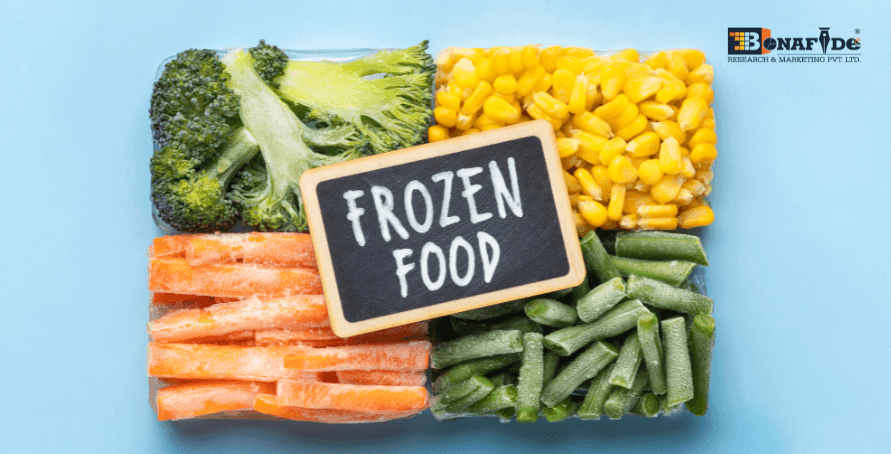
From nearly being non-existing in the local markets to having a prominent place in refrigerators- Frozen Fruits & Vegetable industry has gained higher momentum in global market.
Frozen fruits and vegetables have come a long way in the global market, evolving from a niche product to a household staple. Initially introduced as a solution to preserve produce longer, they quickly gained popularity due to their convenience and longer shelf life. Frozen fruits and vegetables offer an easy alternative for consumers who might not always have access to fresh produce or those looking to store food for later use. The process of freezing preserves the nutrients, flavors, and textures of fruits and vegetables, making them just as healthy and nutritious as their fresh counterparts. These products are particularly popular in busy households, restaurants, and industries like hospitality, where time efficiency and food preservation are crucial. By freezing the fruits and vegetables at peak ripeness, producers help consumers access out-of-season produce, reducing food waste and ensuring supply throughout the year. Technically, frozen fruits and vegetables are frozen at extremely low temperatures shortly after harvesting, locking in their nutrients and flavors. This process helps in extending the shelf life without the need for preservatives, making them an ideal choice for people with busy lifestyles or those looking to reduce food waste. Technological advancements, such as improved freezing techniques and better
packaging, have made these products more accessible, affordable, and appealing to a broader consumer base. The growth of freezing methods has also improved the storage and transportation of these products globally, ensuring they reach markets efficiently. However, there are challenges like maintaining the nutritional value during freezing, the cost of advanced freezing technology, and consumer perceptions of frozen produce, which can still be seen as less desirable compared to fresh options.
According to the research report, “Global Frozen Fruits & Vegetables Market Outlook, 2029” published by the Bonafide Research, the market is anticipated to grow at more than 6% CAGR from 2024 to 2029.The market sees steady push from urbanization, rising consumer preference for ready-to-cook meals, and increased focus on reducing food waste. Consumers prefer frozen fruits and vegetables because they save time, reduce spoilage, and provide access to seasonal produce all year. Recently, many companies started investing in plant-based frozen blends, meal kits, and microwave-ready packs to match lifestyle changes. Major players like Dole, Greenyard, Ardo, and Bonduelle offer frozen produce that fits quality expectations and nutritional value, with options for organic, non-GMO, and additive-free choices. They aim to provide easy and healthy options for both home kitchens and foodservice providers. New opportunities are rising in emerging markets and among vegan and
fitness-focused consumers looking for clean-label frozen foods. Regulatory bodies like FDA, USDA, and EFSA require certifications such as HACCP, ISO 22000, and organic labels to ensure safety, hygiene, and traceability from farm to freezer. These certifications help brands build trust and reduce contamination risks. One of the key trends is the rise of frozen smoothie packs, single-portion packaging, and mixed veggie blends. These trends grow because they match the demand for portion control, meal prepping, and health-conscious consumption. Another trend is the use of sustainable packaging and energy-efficient cold chains, driven by environmental concerns and climate goals. These shifts reflect how frozen foods are adapting to new lifestyle patterns and consumer expectations.
Freezers in North American homes turned into go-to storage for frozen fruits and vegetables as people picked speed and nutrition over daily shopping. The U.S. leads this regional market with rising demand for healthy and long-lasting food items. Retailers offer private-label
frozen food ranges, while players like Dole and Green Giant introduce pre-cut mixes and frozen organic packs. Canada follows with demand from vegan consumers, smoothie lovers, and aging populations who rely on easy-to-cook
frozen vegetables for health diets. Europe’s frozen aisle tells the story of convenience paired with health. The region shows strong presence of frozen vegetable consumption in Germany, France, and the UK, where consumers shop for meal-ready frozen mixes and organic peas and carrots. The European Union’s strict food safety laws push companies to invest in eco-friendly packaging and cold chain tech. Consumers pick frozen over fresh due to long shelf life, lower waste, and availability of regional and exotic vegetables all year. Asia-Pacific moves fast in frozen food adoption, especially in metro areas of China, Japan, India, and South Korea. Consumers here use
frozen peas, corn, and
berries in breakfast bowls, curries, and snacks. Urban working families prefer frozen vegetables for cooking speed and flexibility. Japan leads with innovative packaging, while China and India see local brands offering region-specific vegetable mixes. Demand grows in tier-2 cities as
cold chain logistics improve and modern retail expands. Frozen fruits and vegetables are no longer just premium options in South America, they are becoming everyday kitchen choices in urban homes. Brazil drives most of the market due to its growing supermarket chains, health-focused population, and higher income in metro areas. The region sees steady demand for tropical frozen fruits like a?a?, mango, and guava. Local producers focus on flash-freezing to retain nutrients, and export opportunities pushes many manufacturers to meet European safety standards. Frozen fruits and vegetables see rising visibility in supermarkets and hypermarkets across the Middle East and Africa, especially in UAE, Saudi Arabia, and South Africa. These markets rely on imports due to climate conditions that limit local produce availability year-round. Expats and health-aware locals use frozen berries, okra, spinach, and mixed vegetables for balanced meals. Manufacturers highlight Halal certifications and clean-label promises to attract retail and HoReCa demand across this diverse region.
Frozen fruits, including berries, mangoes, pineapples, and melons, are popular for their application in
smoothies, desserts, bakery items, and breakfast bowls, with consumers favoring them for their preserved nutrients and long shelf life. Frozen vegetables, such as peas, carrots, spinach, corn, and broccoli, dominate the market due to their broad culinary uses in households and the
food service sector. These vegetables are widely used in ready meals, stir-fries, soups, and ethnic cuisines, offering ease of preparation and reduced food waste. Technological advancements in freezing techniques, such as IQF (Individual Quick Freezing), have enhanced product quality by preserving taste, texture, and nutritional value. The rising demand for plant-based diets and health-conscious eating habits is propelling the consumption of frozen produce as consumers seek clean-label, minimally processed options. Moreover, urbanization and the increasing number of working professionals have fueled the need for convenient, time-saving meal ingredients, further supporting the growth of both frozen fruits and vegetables. Supply chain improvements and cold storage infrastructure development across emerging economies have also enabled broader accessibility to frozen produce. Global food manufacturers and retailers are capitalizing on this trend by expanding their frozen food offerings with diverse product lines and global varieties to cater to the evolving palate of modern consumers who prioritize quality, convenience, and health.
Organic frozen fruits and vegetables are gaining traction, especially among health-conscious and environmentally aware consumers who prefer produce grown without synthetic pesticides, herbicides, or genetically modified organisms. These products appeal to a niche but growing demographic that values sustainability, traceability, and food safety. The organic segment, while typically priced higher, benefits from the perception of superior nutritional quality and fewer chemical residues, which resonates strongly with millennials and consumers in developed economies. On the other hand, conventional frozen fruits and vegetables dominate the market due to their affordability, widespread availability, and extended shelf life, making them a staple in both residential and commercial kitchens. Conventional products cater to the mass market and are essential in countries where price sensitivity is high. The category’s growth is also bolstered by the increasing popularity of private label brands offering budget-friendly frozen produce. While organic offerings are expanding, their share remains smaller compared to conventional, largely due to higher production and
certification costs, limited supply chains, and variable consumer willingness to pay a premium. Nonetheless, the rise in organic certifications and investments by major frozen food brands into organic lines signals a notable shift in market dynamics.
The residential segment represents a major share of the market, driven by the increasing adoption of frozen produce among households seeking convenient, time-saving food solutions that reduce meal preparation effort without compromising nutritional value. Urbanization, dual-income households, and busy lifestyles have led consumers to rely on frozen fruits and vegetables as essential pantry items for quick meals and snacks. Consumers favor these products for their long shelf life, minimal waste, and year-round availability, particularly in regions where fresh produce may be seasonal or expensive. In parallel, the commercial segment, encompassing restaurants, hotels, cafeterias, and
catering services, demonstrates strong and steady demand due to the need for consistent ingredient quality, reduced labor, and operational efficiency in food preparation. Food service providers benefit from frozen fruits and vegetables for their portion control, extended usability, and ability to support menu consistency across locations. The rising popularity of frozen ingredients in pre-
prepared meals, smoothie chains, quick service restaurants, and institutional food programs has further strengthened this segment’s growth. Additionally, innovations in packaging, storage, and supply chain
logistics have made frozen products more accessible and appealing across both residential and commercial channels.
Supermarkets, hypermarkets, and large retail chains dominate the distribution landscape, offering a broad assortment of frozen fruits and vegetables under both branded and private labels. These outlets benefit from high footfall, extensive freezer space, and promotional opportunities that drive impulse buying and brand visibility. Consumers prefer these channels for the ability to physically inspect products, take advantage of deals, and purchase in bulk. Independent retailers, departmental stores, and neighborhood convenience outlets serve localized demand, particularly in urban and semi-urban areas where quick and easy access to essential food products is necessary. These stores often cater to repeat customers and are vital in emerging markets where organized retail penetration is still growing. Meanwhile, online shops are experiencing rapid growth, driven by increased internet penetration, changing shopping habits, and the convenience of home delivery.
E-commerce platforms, including dedicated grocery apps and
general online retailers, allow consumers to browse a wide variety of frozen items, often with subscription options, discounts, and detailed nutritional information. The
digital channel particularly appeals to younger, tech-savvy consumers and has seen heightened adoption post-pandemic. Cold chain advancements and improved packaging have enabled the safe and efficient delivery of frozen goods, encouraging retailers to invest further in online infrastructure and direct-to-consumer models.

















 We are friendly and approachable, give us a call.