The arable lands have been shrinking and is expected to lessen in coming years as well, reason being ever rising population worldwide. However, the adequate and sufficient use of
crop protection will lead to enhance the yields per hectare. The crop protection industry is slowly innovating and coming up with the molecules that would be more environments friendly and will see increased usage of
crop protection chemical.
Agrochemicals are substances manufactured through chemical or biochemical processes containing the active ingredient in a definite concentration along with materials, which improve its performance and increase safety. For application, these are diluted with water in recommended doses and applied on
seeds, soil, irrigation water and crops to prevent the damages from pests. There are broadly 5 categories of crop protection products viz.
insecticides,
fungicides, herbicides, bio pesticides and others including nematocides and rodenticides. It is estimated that the present
food grain production can jump from 3 trillion to 4 trillion by adequate usage of crop protection products. Crop protection industry is a holds it importance in the Indian economy as it provides important inputs for the agriculture sector to improve crop performance. With increasing population, demand for food grains is increasing at a faster pace as compared to its production and this indicates the important role of the agrochemicals industry.
According to the research report "India Crop Protection Market Overview, 2027," published by Bonafide Research, the India Crop Protection market is anticipated to grow at more than 4.32% CAGR from 2022 to 2027. In addition, every year significant amount of crop yield is lost due to low usage of crop protection products, making it essential for right usage of crop protection chemicals in increasing agricultural production by preventing crop losses before and after harvesting The pressure to improve the yields is gradually rising, as there has been constant rise in the world?€™s population, which is resulting, into shrinking arable lands. Crop protection products here come into play as it has potential to increase the yield if used significantly. There has been increasing awareness amongst the end consumers typically farmer for usage of agrochemicals which will improve their yields, protecting their crop from potential heavy losses that are borne due to attacks from weeds, pests and insects. Current low consumption of crop protection products in India, 0.6 kg/ha compared to world average of 3 kg/ha, offers immense opportunities for future growth. Availability of cheap labor and low processing costs offers opportunity for MNCs to setup their manufacturing hubs in India for their export markets. The sector is driven by huge opportunity for contract manufacturing and research for Indian players due to large availability of technically skilled labor.
The Indian crop protection market is a vital component of the nation's agricultural sector, addressing challenges posed by pests, diseases, and weeds. This market is segmented by product type and application, each playing a significant role in ensuring crop health and productivity. Insecticides constitute the largest segment of India's crop protection market, accounting for approximately 65% of the total market share. Their predominant use in
rice and cotton cultivation underscores their importance in managing insect pests that threaten these staple crops. Representing around 16% of the market, herbicides are experiencing rapid growth. Their increasing adoption is driven by the need to control weeds that compete with crops for resources, especially in the cultivation of cereals and grains. While comprising a smaller market segment, fungicides and bactericides are essential for combating fungal and bacterial diseases that can significantly impact crop yields. Their usage is particularly crucial in horticultural crops where disease prevention is vital for quality and productivity. This category includes products like nematicides and rodenticides, which address specific pest challenges in various crops, contributing to comprehensive crop protection strategies.
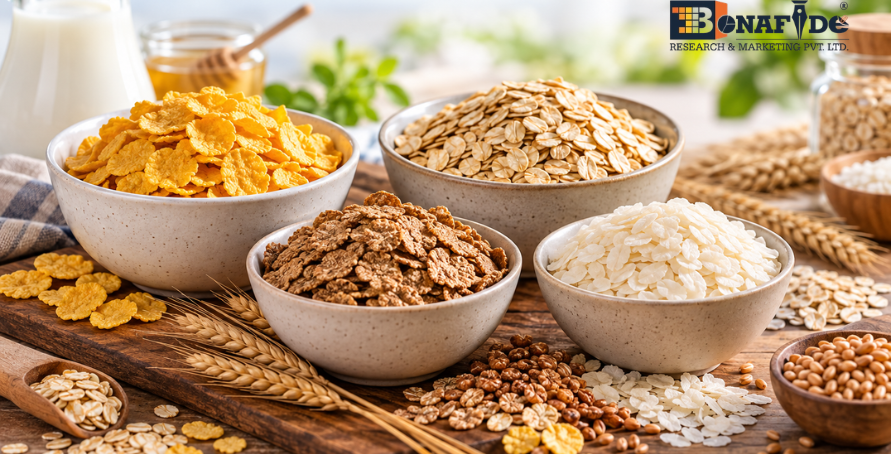
This segment dominates pesticide usage in India, with paddy (rice) alone accounting for about 29% of total pesticide consumption. Effective pest and weed management in cereals and grains is crucial, as these crops form the staple diet for a significant portion of the population. Crops such as soybeans, groundnuts, and lentils fall under this category. The increasing demand for edible oils and protein-rich pulses has led to a heightened focus on protecting these crops from pests and diseases to ensure food security and meet export quality standards. This segment includes a diverse range of horticultural crops that require intensive protection measures due to their
high value and susceptibility to pests and diseases. Ensuring the health of fruits and vegetables is essential for nutritional security and the economic well-being of farmers engaged in their cultivation. This category encompasses crops like cotton, which accounts for approximately 19% of pesticide consumption in India.

















 We are friendly and approachable, give us a call.