

 By Raj Shrivastav
 Top 6 Companies in Global Pulp And Paper Market
Global Pulp and Paper Market Outlook 2029 anticipated to cross USD 395 Billion by 2029, increasing from USD 356.19 Billion in 2023.

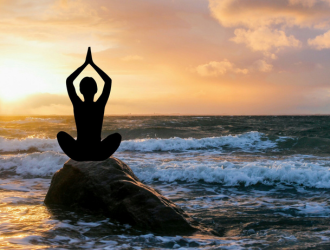
In an age of constant motion, digital overload, and rising stress levels, the ancient practice of yoga offers a timeless solution one that speaks to the deepest human need for connection, balance, and inner peace. Far beyond the popular image of complex postures and flexible bodies, yoga is a philosophy, a lifestyle, and a science of self-realization that originated in India over 5,000 years ago. At its core, yoga is about unity the integration of body, mind, breath, and spirit. It is a path not just to physical wellness but to emotional resilience, mental clarity, and spiritual awakening. When we truly understand and embrace yoga, we begin to unveil a practice that nurtures holistic harmony and invites us to live with greater awareness and intention.
Though yoga is often associated today with physical poses or asanas, these are only one part of a much broader system. The original yogic path, as described in Patanjali’s Yoga Sutras, is an eight-limbed journey known as Ashtanga Yoga encompassing ethical disciplines (yamas and niyamas), physical postures (asana), breath control (pranayama), withdrawal of the senses (pratyahara), concentration (dharana), meditation (dhyana), and ultimate liberation (samadhi). Each limb is a step toward self-mastery, helping the practitioner evolve not just physically, but emotionally and spiritually. This ancient structure reminds us that yoga is not merely a workout, but a work-in an inward journey of self-discovery and conscious living.
One of the most transformative aspects of yoga lies in its ability to regulate the nervous system and restore equilibrium. With its focus on breathwork and mindfulness, yoga reduces stress hormones like cortisol, lowers blood pressure, improves sleep, and enhances mood. Through consistent practice, individuals find themselves less reactive to external stressors and more grounded in the present moment. It strengthens not only the body but also the mind, encouraging clarity, compassion, and emotional stability. Whether you practice a dynamic form like Vinyasa or a meditative style like Yin or Hatha, yoga provides a sacred space to slow down, breathe deeply, and listen to the body’s innate wisdom.
Moreover, yoga is deeply inclusive and adaptable. It doesn’t require perfection, youth, or extraordinary flexibility only a willingness to show up and breathe. From the elderly finding relief from joint pain to children learning focus and discipline, yoga meets each person where they are. It can be practiced in a quiet room or a bustling studio, for five minutes or an hour, with props or without. It teaches us to work with our limitations and transform them into strengths. Over time, as the body grows stronger and more supple, the mind too becomes more open, resilient, and at peace. The union of movement and stillness, effort and ease, is what gives yoga its quiet, enduring power.
See how you can up your career status
Global Pulp and Paper Market Outlook 2029 anticipated to cross USD 395 Billion by 2029, increasing from USD 356.19 Billion in 2023.

Global Kitchen Sink Market Outlook, 2030 is projected to reach market size of USD 5.10 Billion by 2030.

Global Home Storage & Organization Market Outlook was valued at more than USD 47.12 Billion in 2025, and expected to reach a market size of more than USD 62.93 Billion by 2031 with the CAGR of 5.07% from 2026-2031

Global Smart TV Stick Market was valued at more than USD 10.93 billion in 2025 and is expected to reach more than USD 16.04 billion by 2031, growing at a CAGR of 6.77% from 2026 to 2031.
 We are friendly and approachable, give us a call.