

 By Sikandar Kesari
 Related Blog
See how you can up your career status

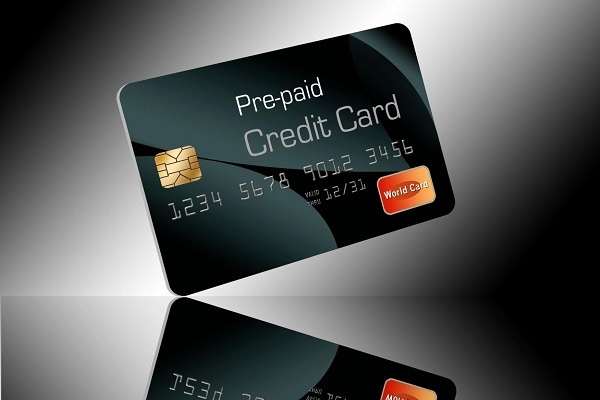
Prepaid cards have become a potent weapon in the arsenal of secure, practical, and adaptable financial operations in today's hectic and cashless environment. Prepaid cards are especially appealing in both developed and emerging markets because they give users the ability to manage their spending without requiring a credit history or bank account, unlike regular debit or credit cards. Prepaid cards are increasingly becoming a favorite payment method for a variety of purposes, including payroll distribution, travel, everyday purchases, and even gift-giving, as digital payments, e-commerce, and fintech solutions become more prevalent. The increasing need for financial inclusion and digital financial tools that serve underbanked communities, tech-savvy consumers, and companies looking for effective payment solutions is the major trend propelling this rise. This blog examines the evolution of the prepaid card market, the factors driving its widespread acceptance, and the reasons behind its growing importance in the future of personal and commercial finance.
In an ever more digital environment, the popularity of prepaid cards is transforming the way people and companies conduct financial transactions. Prepaid cards provide a degree of accessibility and control that attracts a broad audience, including gig workers, budget-conscious consumers, unbanked and underbanked people, and organizations that manage payments, unlike conventional banking products. These adaptable financial instruments are becoming increasingly popular due to the rise of online shopping, digital payments, and contactless transactions. Prepaid cards are now necessary for government benefit distribution, payroll, and daily purchases, in addition to being used only for travel and gifts. The fact that this trend aligns with larger changes in consumer behavior makes it particularly notable. People desire greater financial control, less chance of overspending, and safe credit substitutes. Prepaid cards satisfy these requirements and provide the ease of mobile integration, real-time monitoring, and occasionally reward programs. To take advantage of this need, fintech companies and traditional financial institutions are releasing prepaid card products with customizable, app-connected features that combine practicality with a positive user experience. In order to optimize operations and improve transparency, prepaid cards are also being utilized by companies for expense management, incentives, and B2B payments. The trend also supports global financial inclusion initiatives by extending financial services to people who were previously excluded from the formal banking system. Prepaid cards are bridging the gap between cash-dependent users and contemporary digital payment infrastructure, making them central tools as digital financial ecosystems continue to expand. Prepaid cards are evolving from niche items to crucial financial tools for today's economy as a result of this change.
By changing the way people access, manage, and spend their money, the rising popularity of prepaid cards is having a profound impact on the financial services sector. This trend is fostering a move away from conventional banking and credit arrangements toward more adaptable, user-controlled alternatives. It has provided new opportunities for fintech firms and financial institutions to connect with unbanked or underserved populations by enabling them to provide affordable, scalable financial products. Due to this, there is a surge in product innovation in the prepaid industry, with features such as mobile app integration, budgeting tools, and configurable spending restrictions becoming commonplace. The benefits for consumers are obvious: prepaid cards provide financial independence without the stress of credit checks or the possibility of debt. They offer a safe, practical substitute for cash and traditional bank cards, especially for people who have a restricted budget or want more control over their money. In addition to the chance to sell branded prepaid cards that increase customer loyalty and encourage repeat purchases, retail firms also gain from faster transaction speeds and less cash management. But this trend has its difficulties. The usage of anonymous cards, which could be misused, continues to raise security concerns. Furthermore, several prepaid goods have hidden costs that might reduce their appeal to thrifty consumers. Regulatory supervision is also improving to safeguard consumers and promote transparency. The benefits of prepaid cards accessibility, convenience, and increasing digital compatibility are changing the financial world, compelling businesses to innovate and adapt while giving customers more financial control and inclusion, even in the face of these obstacles.
The general-purpose reloadable (GPR) card, which is known for its versatility, reusability, and widespread consumer appeal, is one of the main product kinds in the prepaid card market. GPR cards are widely accepted wherever major card networks are recognized and can be refilled with money several times, unlike cards that have a single usage or limited functionality. This makes them a viable alternative to conventional bank accounts, particularly for those who are unbanked, underbanked, or choose not to use credit or debit cards associated with a bank. The increase in GPR cards is driven by a number of drivers. The push for financial inclusion, which has raised the need for available payment alternatives that don't need a credit history or a bank connection, is the first factor. Second, these cards are a well-liked way for employers and platforms to send payments quickly and securely because of the growth of the gig and freelance economies. Furthermore, the rise of e-commerce and mobile wallets, which integrate well with digital platforms and enable safe online transactions, has opened up new possibilities for the usage of GPR cards. The opportunities for retailers and financial service providers are growing. Retailers may utilize branded GPR cards linked to loyalty schemes or digital accounts provided by banks and fintech businesses to foster client interaction and encourage spending inside their ecosystem. GPR cards offer consumers a great way to manage their finances and have more control over their budgeting and spending, without the dangers of overdrafts or revolving credit. GPR cards are revolutionizing the way we think about inclusive, convenient, and digital-first personal finance.
Due to the digital revolution of financial services and the rising consumer desire for readily available, safe, and adaptable payment options, the prepaid card industry is set for tremendous expansion in the future. As cashless societies continue to develop, prepaid cards are predicted to become more closely integrated with digital wallets, mobile apps, and AI-powered financial management solutions. These advancements will make prepaid cards not only more practical but also more intelligent, providing customized rewards, real-time budgeting, and fraud alerts. The integration of cryptocurrency and blockchain technology with prepaid cards is one trend that is gaining popularity. This integration allows users to use prepaid cards to load cryptocurrency for regular purchases. Tech-savvy customers and early adopters are likely to be drawn to this combination of traditional finance and developing assets. Furthermore, to strengthen cardholder identification and reduce fraud, biometric security measures like fingerprint or facial identification are being implemented. In order to adapt to this changing environment, businesses and fintech providers must invest in frictionless digital platforms that support reloadable prepaid cards, provide intuitive user experiences, and integrate value-added services such savings tools or cashback rewards. Retailers can take advantage by providing branded or closed-loop prepaid cards, which promote customer retention and customized marketing. On the other hand, customers should seek for features that encourage prudent financial conduct, mobile compatibility, and clear fee structures. In terms of regulators, other stakeholders throughout the system must also guarantee that infrastructure and standards are safe and inclusive in order to promote development. Prepaid cards will serve more and more as a gateway to greater financial empowerment, inclusion, and digital ease as innovation progresses.
See how you can up your career status
 We are friendly and approachable, give us a call.