

 By Priyanka Makwana
 Top Six Companies Global Caustic Soda Market
Global Caustic Soda Market Outlook, 2030 is projected to reach market size of USD 57.88 Billion by 2030.

According to the research report “Global Optical Films Market Outlook, 2030” published by Bonafide Research, the Global Optical Films Market is projected to reach market size of USD 45.97 Billion by 2030 increasing from USD 29.71 Billion in 2024, growing with 7.71% CAGR by 2025-30
Top Six Companies Global Optical Films Market
3M Company: 3M Co (3M) is a manufacturer and distributor of industrial products and solutions. The company’s portfolio of products includes advanced materials, display materials and systems, home care, home improvement, stationery and office, personal safety, roofing granules, closure and masking systems and others. 3M also offers various solutions such as medical, oral care, consumer health care, food safety and health information systems. 3M Company is one of the major global players in the optical films market, offering advanced film technologies used mainly in displays, electronics, automotive displays, signage, lighting, and industrial applications. The company’s optical film solutions are designed to improve brightness, light management, reflection control, viewing performance, durability, and energy efficiency in LCD and other display systems. 3M’s portfolio includes products such as brightness enhancement films, reflective films, light-control films, privacy films, and other precision-engineered multilayer optical films. These films are widely used in smartphones, tablets, laptops, televisions, monitors, automotive infotainment displays, and commercial display panels.
• Established: 1902
• Headquarters: Minnesota, United States
• Employees: 60,000+
• Revenue: USD 24,948 Million
Mitsubishi Chemical Group Corporation: Mitsubishi Chemical Group Corp (MCGC), formerly Mitsubishi Chemical Holdings Corp, is a diversified chemical company. Its products and services include advanced polymers, high-performance chemicals, high-performance films, advanced moldings and composites, petrochemicals, carbon, industrial gases, methyl methacrylate, and environment and living solutions. Mitsubishi Chemical Corporation is a key participant in the optical films market through its advanced display-film materials used in LCD panels, televisions, monitors, automotive displays, and other electronic display applications. The company offers OPLFILM™, a polyvinyl alcohol film used in polarizing films for liquid crystal displays, which helps improve display clarity, light control, and visual performance. Mitsubishi Chemical also develops polyester films, optical clear adhesive sheets, and specialty display materials that support high-performance screen manufacturing. Its film technologies are backed by strong polymer chemistry, coating, and precision film-processing expertise. The company is also expanding its OPL Film™ production capacity in Japan to meet rising demand from larger LCD televisions and higher-quality display panels, strengthening its position in the global optical films industry.
• Established: 2005
• Headquarters: Tokyo, Japan
• Employees: 56,678
• Revenue: USD 23,274 Million
Hyosung Corporation: Hyosung Corp (Hyosung) is a conglomerate with diverse business operations. The company's main activities span across textiles, advanced materials, chemicals, heavy industry, construction, trade, and information and communication. Hyosung's major products and services encompass textiles, chemicals, heavy industry, construction, and information and communications technology. Hyosung Corporation, through Hyosung Chemical, has a strong presence in the optical films market, mainly through its tri-acetyl cellulose (TAC) film business. The company develops and produces TAC films that protect PVA polarizing films used inside LCD polarizers for televisions, monitors, laptops, and other display devices. Hyosung established a TAC film plant for LCDs in Ulsan in 2009 and became the first Korean company to achieve large-scale TAC film production. Later, with its second plant in Oksan, Cheongju, completed in 2013, the company increased its annual production capacity to around 110 million square meters. In the optical films industry, Hyosung is positioned as an important display-material supplier, supported by its self-developed TAC film technology, mass-production capability, and focus on next-generation display film applications.
• Established: 1966
• Headquarters: Seoul, South Korea
• Employees: 17,000
• Revenue: USD 1,505 Million
Nitto Denko Corporation: Nitto Denko Corp (Nitto), a subsidiary of Secomo Co Ltd, is a manufacturer of electrical insulating materials. It produces and distributes electronics, industrial and functional products such as polymer synthesis, and adhesive and coating technologies. The company offers value-added products such as optical films for liquid crystal displays, automotive materials and parts, membrane products, surface protective films, and double-sided tapes. Nitto Denko Corporation is one of the leading global companies in the optical films market, especially through its NPF polarizing film used in OLED and LCD displays. The company’s optical film products are designed to improve display performance by supporting high transparency, reliability, workability, thinness, durability, and better image quality. Nitto supplies display-related films for smartphones, tablets, PC monitors, televisions, automotive displays, and touch-panel devices. Its optical materials portfolio includes polarizing films, transparent conductive films, optically clear adhesive tapes, surface protective materials, and anti-reflection films. In the optical films industry, Nitto Denko is recognized for its strong coating, lamination, adhesive, and film-processing technologies, which help display manufacturers develop thinner, lighter, high-definition, and more durable screens. The company continues to be an important supplier for advanced display applications, including next-generation wearable devices and vehicle electronics.
• Established: 1918
• Headquarters: Osaka, Japan
• Employees: 28,006
• Revenue: USD 6,458 Million
Toray Industries, Inc: Toray Industries, Inc. is a multinational corporation headquartered in Japan that specializes in industrial products centered on technologies in organic synthetic chemistry, polymer chemistry, and biochemistry. Its founding business areas were fibers and textiles, as well as plastics and chemicals. Toray Industries, Inc. is an important player in the optical films market through its advanced plastic film and display-material technologies. The company manufactures Lumirror polyester film, a biaxially oriented PET film used across electronics, optical materials, packaging, magnetic, and industrial applications. In optical films, Toray’s products are used for display-related applications such as LCD backlight reflection plates, optical-clear PET films, protective films, and functional films that support brightness, transparency, durability, dimensional stability, and surface smoothness. Toray’s Lumirror white grades are widely used as a main component in liquid crystal display backlights because of their high reflectivity, while its high-transparency optical-clear grades are designed with low haze and excellent smoothness.
• Established: 1926
• Headquarters: Tokyo, Japan
• Employees: 46,294
• Revenue: USD 16,240 Million
LG Chem Ltd: LG Chem is a leading global chemical company with a diversified business portfolio in the key areas of petrochemicals, advanced materials, and life sciences. The company manufactures a wide range of products from high-value added petrochemicals to renewable plastics, specializing in cutting-edge electronic and battery materials such as cathodes, as well as drugs and vaccines to deliver differentiated solutions for its customers. LG Chem Ltd. is a chemical manufacturer. The Company's products include petrochemicals, plastic resins, and engineering plastics. LG Chem also produces industrial and electronic materials. LG Chem Ltd. has been an important company in the optical films market, mainly through its historical strength in polarizer films, OLED films, protective films, and display-related optical materials. The company developed polarizer film as a key LCD material, which helps control light direction and improve display image quality. LG Chem also supplied PET protective films used to protect polarizers from contamination, damage, and static electricity during display-panel manufacturing. Its optical film materials have been used in TVs, monitors, laptops, smartphones, automotive displays, and OLED display applications.
• Established: 1947
• Headquarters: Seoul, South Korea
• Employees: 18,750
• Revenue: USD 32,409 Million
See how you can up your career status

Global Caustic Soda Market Outlook, 2030 is projected to reach market size of USD 57.88 Billion by 2030.
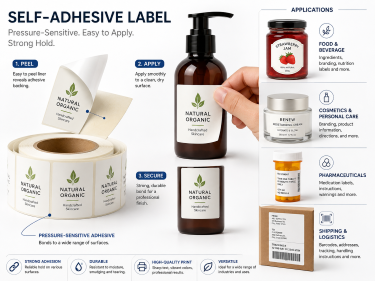
Global Self-Adhesive Label Market Outlook, 2030 is projected to reach market size of USD 76.70 Billion by 2030.
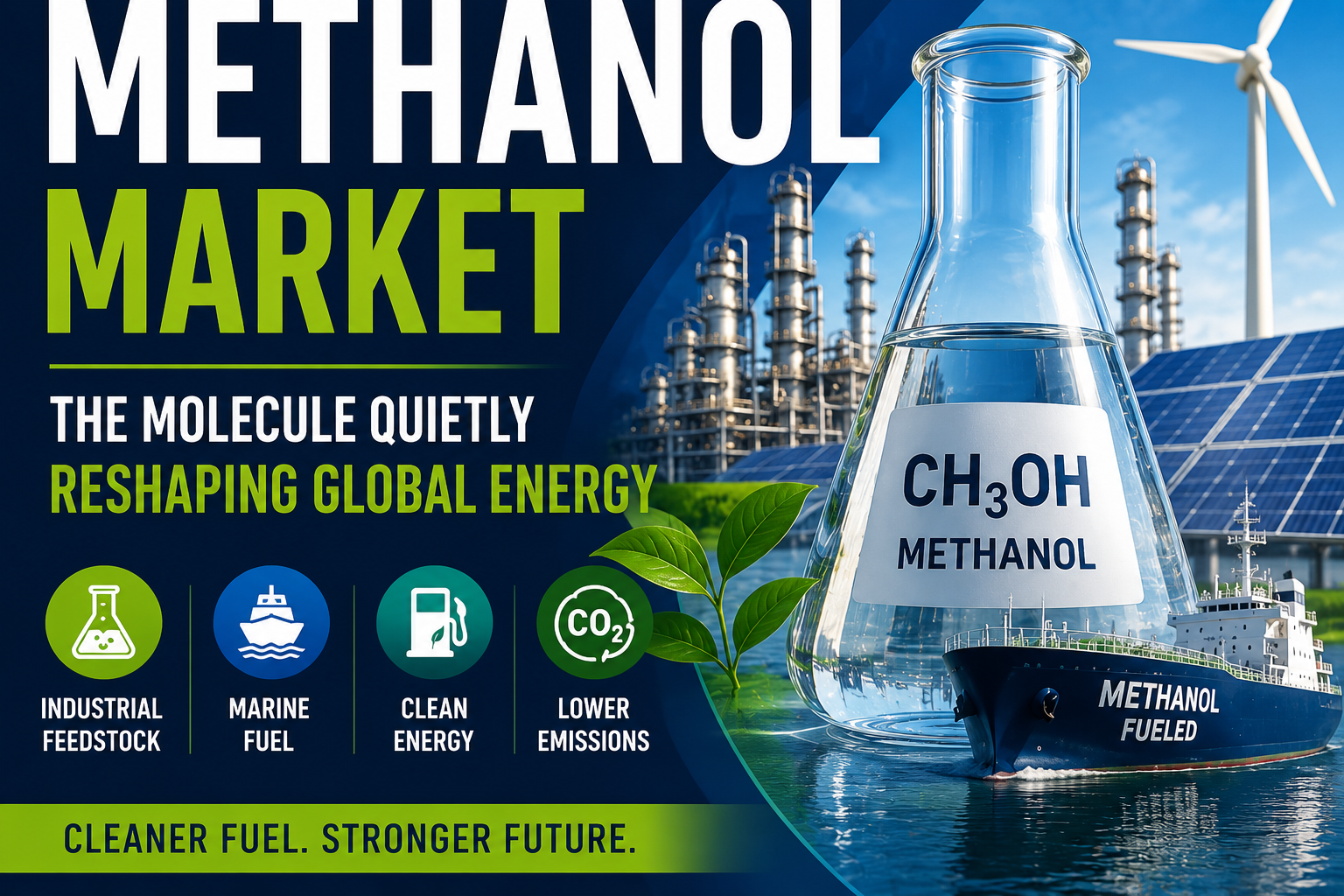
The Global Methanol market was valued at USD 39.80 Billion in 2025, and expected to reach a market size of USD 55.60 Billion by 2031 with the CAGR of 5.88% from 2026-2031.

The Global Heat-Resistant Coatings market was valued at more than USD 7.60 Billion in 2025, and expected to reach a market size of more than USD 10.32 Billion by 2031 with the CAGR of 5.36% from 2026-2031.
 We are friendly and approachable, give us a call.