

 By Reecha Roy
 Power on the Go: Understanding the World of Dry Cell Batteries
Dive into the world of dry cell batteries, from powering everyday devices to advancements in battery technology. Explore the types, applications, and eco-friendly options available.

According to the research report “Global Bunker Fuel Market Outlook, 2030” published by Bonafide Research, the global market is projected to reach market size of USD 181.23 Billion by 2030 increasing from USD 137.52 in 2024, growing with 4.81% CAGR by 2025-30
Top Six Companies Global Bunker Fuel Market
Exxon Mobil Corporation: ExxonMobil Corporation is a major global supplier of marine fuels, also known as bunker fuels, to the shipping industry. The company offers a wide range of products to meet the diverse needs of vessel operators and comply with international regulations. Its product portfolio includes traditional heavy fuel oil (HFO), low-sulfur options like Marine Gas Oil (MGO) and Very Low Sulfur Fuel Oil (VLSFO), as well as newer, lower-emission fuels like marine biofuel blends and Liquefied Natural Gas (LNG). ExxonMobil offers a range of marine bunker fuels and lubricants, including bio-based fuel blends and solutions for meeting the International Maritime Organization (IMO) 2020 sulfur cap.
• Established: 1999
• Headquarters: Texas, United States
• Employees: 62,000
• Revenue: USD 349,585 Million
BP Plc: BP Marine, a global division of BP plc delivers high-quality marine fuels such as marine gasoil (MGO), very low sulfur fuel oil (VLSFO), and distillates (DMA, DMA LS, F76) in ports worldwide. The company ensures on-specification products, backed by rigorous testing during production and delivery to meet ISO standards. BP Plc is a significant player in the global marine fuels market, operating as a key supplier of bunker fuels to the shipping industry. The company, through its trading and shipping arm, provides a range of products including conventional heavy fuel oil, as well as low-sulfur options like Very Low Sulfur Fuel Oil (VLSFO) and Marine Gas Oil (MGO) to help clients comply with strict environmental regulations like the IMO 2020 sulfur cap. BP's marine fuel business, which also includes a joint venture with Sinopec, leverages a global network of ports and a robust supply chain to ensure consistent and reliable delivery.
• Established: 1909
• Headquarters: London, United Kingdom
• Employees: 100,500
• Revenue: USD 194,629 Million
Shell Plc: Shell Marine, a division of Shell plc leverages over a century of maritime experience to deliver a comprehensive suite of marine fuels, including Very Low Sulfur Fuel Oil (VLSFO), Low Sulfur Fuel Oil (LSFO), Marine Gas Oil (MGO), LNG, and Bio-LNG, alongside premium lubricants and technical support services. Shell Plc is a prominent global supplier of marine fuels, a sector it has been actively involved in for decades. The company offers a comprehensive portfolio of bunker fuels, ranging from traditional High Sulphur Fuel Oil (HSFO) to newer, more environmentally friendly options. In response to the industry's push for decarbonization and regulations like the IMO 2020 sulfur cap, Shell has been a leader in the development and supply of low-sulfur fuels, including Very Low Sulfur Fuel Oil (VLSFO) and Ultra-Low Sulphur Fuel Oil (ULSFO).
• Established: 1907
• Headquarters: London, United Kingdom
• Employees: 96,000
• Revenue: USD 284,312 Million
TotalEnergies SE: TotalEnergies SE, a leading global multi-energy company, is a major participant in the marine fuels market, providing a diverse range of bunker fuel solutions to the shipping industry. Through its dedicated business unit, TotalEnergies Marine Fuels, the company offers conventional fuels such as low-sulfur options like Very Low Sulfur Fuel Oil (VLSFO), while also making significant strides in the transition to cleaner, alternative fuels. A key part of its strategy is the development of Liquefied Natural Gas (LNG) bunkering infrastructure, with a growing network of ports where it can supply this fuel, including key hubs like Singapore and Rotterdam. The company is actively exploring and investing in other future fuels, including biofuels, which it has already supplied in blends and in 100% form, and is also engaged in research and partnerships to develop other low-carbon options like methanol and ammonia.
• Established: 1924
• Headquarters: Courbevoie, France
• Employees: 100,000+
• Revenue: USD 214,550 Million
Petroliam Nasional Bhd: Petroliam Nasional Bhd (PETRONAS), the Malaysian state-owned oil and gas company, is a significant provider of bunker fuels to the global maritime industry through its PETRONAS Marine brand. The company offers a comprehensive range of marine fuels, including traditional options like High Sulphur Fuel Oil (HSFO), as well as low-sulfur variants such as Very Low Sulphur Fuel Oil (VLSFO) and Marine Gas Oil (MGO), which are essential for complying with international environmental regulations. PETRONAS has a strong focus on transitioning to cleaner fuels and has made substantial investments in developing its Liquefied Natural Gas (LNG) bunkering capabilities. It operates a growing network of LNG bunkering services in key global hubs, including its home base in Malaysia, and has expanded its presence to major ports in Singapore, Fujairah, and Europe.
• Established: 1974
• Headquarters: Lumpur, Malaysia
• Employees: 46,000
• Revenue: USD 44,537 Million
Neste Oyj: Neste Corporation (Neste) focuses on refining waste, residues, and other renewable raw materials into high-quality renewable fuels. Its major products include Neste MY Renewable Diesel and Neste MY Sustainable Aviation Fuel, which serve as alternatives to traditional fossil fuels. These products are used by customers in the road transport and aviation industries to reduce greenhouse gas emissions. A notable innovation is Neste Marine™ 0.1 Co-processed, where renewable raw materials are blended using Neste’s standard refining process to achieve up to 80% lower greenhouse gas emissions over the fuel’s life cycle compared to conventional fossil fuels certified under ISCC PLUS and aligned with EU RED II lifecycle methodology. Neste Oyj delivers high-quality, low-sulfur marine fuels specifically Neste Marine™ 0.5 (below 0.5% sulfur) and Neste Marine™ 0.1 (below 0.1%), enabling seamless compliance with global IMO 2020 regulations and strict Emission Control Area (ECA) standards.
• Established: 1948
• Headquarters: Espoo, Finland
• Employees: 5,796
• Revenue: USD 24,196 Million
See how you can up your career status

Dive into the world of dry cell batteries, from powering everyday devices to advancements in battery technology. Explore the types, applications, and eco-friendly options available.
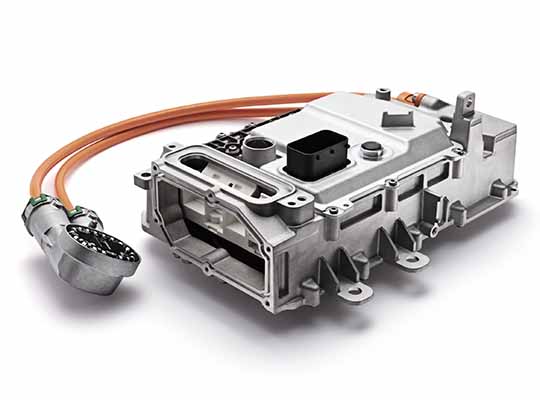
Global Power Inverter Market is anticipated to cross USD 100 Billion by 2029, increasing from USD 74.48 Billion in 2023.

Global Street Sweepers Market Outlook, 2030 are expected to reach a market size of more than USD 5.47 Billion by 2030

The global utility poles market was valued at USD 46.17 billion in 2025 and is projected to reach USD 70.42 billion by 2031, reflecting a compound annual growth rate (CAGR) of 7.48%.
 We are friendly and approachable, give us a call.