

 By Priyanka Makwana
 Top 6 Polyolefin Companies in the Global Market
Global Polyolefins Market is anticipated to cross USD 380 Billion by 2029, increasing from USD 226.96 Billion in 2023.


The global rubber processing chemicals market plays a critical role in the production of high-performance rubber products used across automotive, industrial, construction, healthcare, footwear, and other industries. Rubber processing chemicals are added to natural and synthetic rubber to improve properties such as durability, elasticity, heat resistance, aging resistance, processing performance, and resistance to environmental degradation. According to Bonafide Research, the global rubber processing chemicals market is projected to reach USD 7.45 billion by 2030, increasing from USD 5.80 billion in 2024 and growing at a CAGR of 4.33% during 2025–2030. Rising vehicle production, increasing demand for high-performance tires, industrial expansion, infrastructure development, and the growing use of rubber-based components are supporting market growth. Anti-degradants, accelerators, processing aids, activators, and other specialty chemicals represent key product categories used to improve the performance and service life of rubber products. Anti-degradants are particularly important because they protect rubber from oxidation, ozone exposure, heat, and other environmental factors, while accelerators and vulcanizing agents help improve the efficiency and effectiveness of the vulcanization process. The tire and related products segment represents a major area of demand, as modern tires require carefully formulated rubber compounds to achieve durability, traction, heat resistance, fuel efficiency, and lower rolling resistance. The increasing adoption of electric vehicles is also encouraging tire manufacturers to develop specialized formulations designed to support vehicle efficiency and performance. Beyond tires, rubber processing chemicals are widely used in automotive components such as hoses, seals, gaskets, belts, bushings, and vibration-control products, as well as industrial rubber products including conveyor belts and industrial hoses. Growing demand for sustainable manufacturing is further encouraging chemical companies to develop low-emission, non-toxic, and environmentally friendly processing solutions. These developments are creating opportunities for manufacturers to differentiate their products through improved performance, sustainability, and advanced formulation technologies. :contentReference[oaicite:1]{index=1}
The US rubber processing chemicals market represents an important regional market, supported by established automotive, tire, industrial manufacturing, construction, aerospace, and healthcare industries. According to Bonafide Research, the US rubber processing chemicals market is anticipated to grow at a CAGR of more than 5.45% during 2025–2030. Demand is supported by the continued use of rubber in tires, automotive components, industrial products, seals, hoses, belts, and other applications requiring durability and resistance to demanding operating conditions. The US market is also experiencing increasing emphasis on sustainable and eco-friendly rubber processing chemicals as manufacturers respond to environmental regulations and growing demand for lower-emission materials. Companies are investing in research and development to produce bio-based, recyclable, and non-toxic alternatives while maintaining the performance characteristics required for demanding rubber applications. In addition, the adoption of smart manufacturing, automation, and advanced processing technologies is encouraging manufacturers to improve production efficiency, reduce material waste, and achieve greater consistency in rubber formulations. The combination of established end-use industries, technological innovation, sustainability initiatives, and demand for high-performance rubber products is expected to create continued opportunities for rubber chemical manufacturers and suppliers in the United States through 2030. :contentReference[oaicite:2]{index=2}
Leading Companies Global Rubber Processing Chemicals Market
BASF SE: BASF SE offers a range of rubber processing chemicals, including tackifiers like Koresin, amines, and building blocks for vulcanization accelerators. These chemicals are used in various applications, from tires to industrial rubber goods, to improve properties like tackiness, processability, and overall quality. BASF's Koresin is a high-performance tackifier, known for its superior tack performance, processing flexibility, and reliability. It's used in the production of tires, industrial rubber goods, and more. Morpholine serves as a crucial intermediate in the production of rubber chemicals, particularly vulcanization accelerators.
• Established: 1865
• Headquarters: Ludwigshafen, Germany
• Employees: 112,000
• Revenue: USD 73,835 Million
Lanxess AG: LANXESS AG, through its Rhein Chemie business unit, offers a comprehensive portfolio of rubber processing chemicals tailored for the production of high-performance rubber goods such as tires, seals, hoses, and belts. These solutions focus on enhancing processing efficiency, product durability, and sustainability. LANXESS AG offers a wide range of chemicals for rubber processing, including vulcanizing agents, accelerators, and release agents. Their Rhein Chemie business unit is a leading provider of these additives, with a focus on high-performance rubber products like tires and seals. LANXESS also manufactures various types of rubbers, including polybutadiene and styrene butadiene rubbers.
• Established: 2004
• Headquarters: Cologne, Germany
• Employees: 12,400
• Revenue: USD 11 Million
Arkema S.A: Arkema SA (Arkema) is a global specialty materials chemical company. The company's product portfolio includes high-performance adhesives for construction and industrial assembly, specialty polymers and performance additives for advanced materials, and coating resins and additives for coating solutions. Arkema S.A. offers a comprehensive portfolio of rubber processing chemicals through its subsidiaries, MLPC International and Sartomer, catering to various applications in the rubber industry. The Ekaland range comprises vulcanizing agents in powder form, including guanidines, thioureas, thiurams, and dithiocarbamates. Mixland+ is a patented range of polymer-bound additives designed to improve the dispersion of rubber chemicals during processing.
• Established: 2004
• Headquarters: Colombes, France
• Employees: 21,150
• Revenue: USD 10,733 Million
Behn Meyer Holding AG: Behn Meyer Holding AG is a German chemical company specializing in the development, manufacturing, and distribution of specialty chemicals, including a comprehensive range of rubber processing chemicals. The company's Polymers division, along with its subsidiary Performance Additives, offers various additives and processing aids tailored for the rubber and plastics industries. Behn Meyer offers a range of rubber chemicals for specific applications in various rubber goods, including automotive, industrial, and consumer products. Behn Meyer has formed a partnership with Suzano S.A., a Brazilian pulp and paper producer, to supply Ecolig, a lignin-based bioproduct used as a sustainable additive in rubber products.
• Established: 1840
• Headquarters: Hamburg, Germany
• Employees: 29,579
• Revenue: USD 58,744 Million
Solvay NV/SA: Solvay S.A. is a leading global chemical company renowned for its advanced rubber processing chemicals, particularly in the realm of high-performance silica and specialty additives. These products are integral to enhancing the performance, safety, and sustainability of rubber applications, especially in the tire industry. Solvay maintains a significant global footprint in the rubber processing chemicals market, with a strong emphasis on innovation and sustainability.
• Established: 1863
• Headquarters: Brussels, Belgium
• Employees: 9,000
• Revenue: USD 5,772 Million
Sumitomo Chemical Co., Ltd: Sumitomo Chemical Co., Ltd. produces a range of rubber processing chemicals, including vulcanization accelerators like SOXINOL and adhesive materials like SUMIKANOL, according to their website. These chemicals are used in various applications, including tire manufacturing and the production of other rubber products. This is a basic vulcanization accelerator, often used in conjunction with acidic accelerators like thiazole, sulfenamide, or dithiocarbamate to improve vulcanization. Sumitomo Chemical also develops and supplies other rubber processing chemicals like coupling agents to enhance the performance of tires and anti-vibration rubber.
• Established: 1913
• Headquarters: Tokyo, Japan
• Employees: 32,161
• Revenue: USD 16,926 Million
See how you can up your career status

Global Polyolefins Market is anticipated to cross USD 380 Billion by 2029, increasing from USD 226.96 Billion in 2023.

Global Automotive Carbon Fiber Market Outlook, 2030 is projected to reach market size of USD 51.38 Billion by 2030

Global Synthetic Latex Polymers market is projected to reach market size of USD 53.81 Billion by 2030
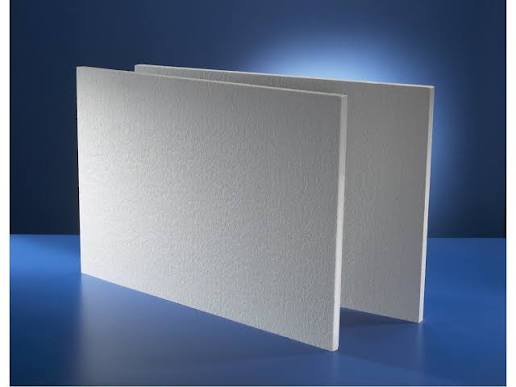
The Global High Temperature Insulation Material market was valued at more than USD 8.13 Billion in 2025, and expected to reach a market size of more than USD 11.39 Billion by 2031 with the CAGR of 5.94% from 2026-2031.
 We are friendly and approachable, give us a call.