

 By Manmayi Raval
 Related Blog
See how you can up your career status

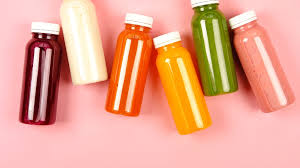
The functional beverage market is booming as health-conscious consumers seek drinks that offer more than just hydration. With increasing awareness of wellness, immunity, and energy needs, functional beverages—such as energy drinks, probiotic-infused waters, and protein shakes—are gaining traction. The global market is projected to grow significantly, driven by demand for natural ingredients, clean-label products, and functional benefits like gut health and mental clarity. This blog explores the latest trends, market impact, key segments, and future outlook of this dynamic industry.
The functional beverage market is evolving rapidly, driven by consumers' increasing focus on health and wellness. Energy drinks, fortified waters, and probiotic beverages are no longer niche products but mainstream choices. A key trend is the shift toward natural and organic ingredients, as consumers avoid artificial additives and seek clean-label products. Probiotic-rich drinks like kombucha and kefir are surging in popularity due to their gut health benefits, while nootropic-infused beverages (with ingredients like lion’s mane and L-theanine) cater to mental clarity and stress relief. Another growing segment is plant-based functional drinks, including protein shakes and adaptogenic tonics made from mushrooms and herbs. The market is also seeing a rise in personalized nutrition, with companies using AI to recommend beverages based on individual health data. According to market research, the Asia-Pacific region is experiencing the fastest growth, fueled by urbanization and rising disposable incomes. With millennials and Gen Z leading demand, brands are innovating with sustainable packaging and direct-to-consumer models to stay competitive.
The functional beverage boom is reshaping the food and beverage industry, influencing consumer habits, manufacturing strategies, and retail dynamics. For consumers, these drinks offer convenient nutrition, replacing sugary sodas and traditional caffeinated beverages with healthier alternatives. However, the market faces challenges, including regulatory scrutiny over health claims and ingredient safety. For manufacturers, the trend demands heavy investment in R&D to develop science-backed formulations while maintaining taste and affordability. Startups and legacy brands alike are competing to capture market share, leading to mergers and acquisitions. Retailers are expanding shelf space for functional beverages, while e-commerce platforms enable direct sales through subscription models. The rise of functional hydration (electrolyte-infused waters) and recovery drinks (with CBD or collagen) reflects broader wellness trends. Yet, brands must balance innovation with transparency, as consumers increasingly demand proof of efficacy. The long-term impact will likely see functional beverages becoming a staple in daily diets, blurring the lines between food, supplements, and beverages.
The functional beverage market is segmented by product type, each catering to different consumer needs. Energy and sports drinks dominate the market, appealing to athletes and busy professionals seeking performance enhancement. Probiotic and gut health beverages, such as kombucha and yogurt-based drinks, are growing due to increased awareness of digestive wellness. Hydration boosters, including electrolyte-enhanced waters and vitamin-infused drinks, target fitness enthusiasts and health-conscious consumers. Another key segment is plant-based and protein-rich beverages, which attract vegans and fitness buffs looking for dairy-free muscle recovery options. Additionally, functional teas and coffees with added adaptogens or antioxidants are gaining traction. Growth drivers include rising chronic diseases, demand for clean-label products, and the influence of social media wellness trends. Emerging markets, particularly in Asia and Latin America, present significant opportunities due to changing lifestyles and increasing disposable incomes. Brands that innovate with unique flavors, functional benefits, and sustainable packaging will lead in this competitive landscape.
The future of functional beverages is poised for exponential growth, with advancements in personalized nutrition, sustainable practices, and innovative ingredients leading the way. AI-driven customization will allow brands to offer beverages tailored to individual health needs, such as immune support or stress relief. Sustainability will be a major focus, with biodegradable packaging and ethically sourced ingredients becoming industry standards. Emerging functional ingredients like adaptogens (ashwagandha, reishi), CBD, and marine collagen will gain mainstream acceptance, expanding product offerings. The market will also see a rise in functional sparkling waters and alcohol alternatives, catering to sober-curious consumers. Subscription-based models and smart vending machines could revolutionize distribution, making functional beverages more accessible. As consumers continue prioritizing preventive health, the line between beverages and supplements will blur further. Companies that invest in transparent marketing, clinical research, and eco-friendly solutions will thrive in this evolving landscape. The functional beverage market is not just a trend but a long-term shift in how people consume drinks—merging nutrition, convenience, and sustainability.
See how you can up your career status
 We are friendly and approachable, give us a call.