

 By Anuj Mulhar
 Global Video Walls Market: The Visual Revolution Future
Global Video Walls market is expected to reach a market size of more than USD 27.51 Billion by 2031 with the CAGR of 13.49%

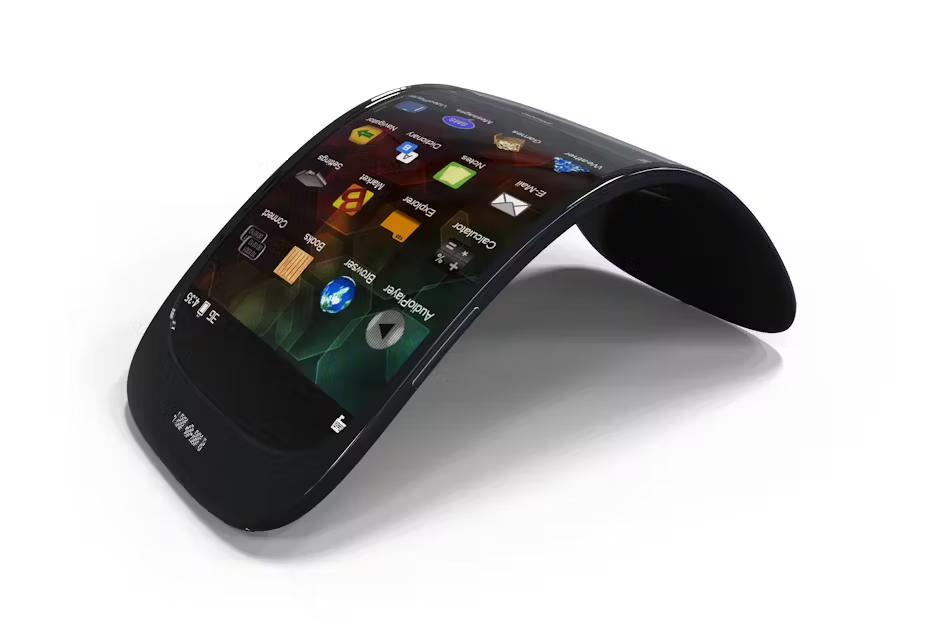
One of the most revolutionary developments in modern technology is the fast growth of flexible electronics, which is changing the way we create, utilize, and engage with electronic gadgets. Flexible electronics may bend, stretch, and fit to a variety of shapes, unlike conventional rigid components, opening up limitless potential for innovation in sectors like healthcare, consumer electronics, automotive, and wearables. At a time when miniaturization, mobility, and adaptability are of utmost importance, this technology provides a compelling answer to the increasing demand for more intelligent, lighter, and more ergonomic devices. Wearable health monitors, foldable smartphones, and smart textiles are just a few examples of how flexible electronics are bringing cutting-edge ideas into the modern world. The integration of lightweight, flexible materials with printed circuit technologies, which allows electronics to be seamlessly incorporated into our daily lives, is the main trend driving this increase. This blog examines how flexible electronics are revolutionizing product design and functionality, as well as what this means for both consumers and businesses.
With an unmatched combination of flexibility, mobility, and durability, the expanding trend of flexible electronics is transforming the way modern technology is created and used. The growing demand for electronics that can integrate flawlessly into dynamic environments and user-centric designs is what is fueling this change. Flexible devices are perfect for foldable phones, medical patches, flexible displays, wearables, and even smart apparel because they can bend, fold, stretch, or adapt to non-flat surfaces, unlike conventional rigid electronics. The key difference between flexible electronics and other technologies is that they can withstand physical deformation without sacrificing functionality. The development of flexible substrates, conductive inks, and stretchable polymers are examples of the advances in materials science that have greatly aided the growth of this discipline. Additionally, the expansion of the Internet of Things (IoT) has increased the need for small, lightweight, and flexible electronics that can be integrated into almost any material or surface. Applications are currently being studied by industries in environmental tracking, automotive sensors, healthcare monitoring, and other areas. Printed electronics and other methods are making cost-effective and scalable production possible, and the manufacturing process is changing as well. The development of flexible technology is about more than just inventing new devices; it's about completely reconsidering how and where electronics can operate. The trend points to a move towards a more immersive, user-friendly, and integrated tech experience. Flexible electronics, which are still in their infancy, are rapidly becoming a mainstay of next-generation innovation and are poised to impact every aspect of our lives, from the way we engage with gadgets to the way we create goods for use in the real world.
The advent of flexible electronics is revolutionizing the electronics industry from the bottom up, heralding a new age of market growth, functional flexibility, and design flexibility. It signifies a transition for manufacturers from traditional rigid circuit boards to cutting-edge materials and manufacturing techniques like printed electronics and roll-to-roll processing. This paves the way for lighter, smaller, and more cost-effective devices that can be manufactured at higher speeds and lower volumes. The trend signifies a larger, more varied product portfolio for retailers, ranging from foldable smartphones and rollable displays to smart textiles and wearable health monitors, giving them new options for market differentiation and consumer interaction. In turn, consumers gain from devices that are more ergonomic, portable, and lifestyle-integrated, meeting current expectations for convenience, mobility, and personalization. Nonetheless, the shift is not without difficulties even if the prospects are numerous. Producing flexible parts necessitates specialized machinery and knowledge, and maintaining durability, performance, and reliability under repeated stress or bending is still difficult. Product designers must reconsider form factors and usability, and supply chains must change to include new materials and suppliers. However, the benefits frequently outweigh the challenges: improved user experiences, more creative designs, and new market prospects in industries such as healthcare, automotive, and fashion. This shift is more than just an advancement in electronics; it represents a fundamental change in the way we conceive, create, and utilize technology. As flexible electronics continue to develop, they are predicted to integrate seamlessly into both industrial systems and consumer lifestyles, becoming a key component of next-generation solutions.
Due to its use in foldable smartphones, tablets, wearable gadgets, and next-generation screens, one of the top product categories in the flexible electronics industry is flexible displays. Organic light-emitting diodes (OLEDs) or other cutting-edge flexible materials are used to create these displays, which can bend, roll, and fold without compromising structural integrity or image quality. The way that devices are created and utilized has changed as a result of this breakthrough, providing unprecedented degrees of portability and user engagement. Consumers' need for larger screens in smaller forms, particularly in the wearable and smartphone industries, is the main factor driving the need for flexible displays. Furthermore, the trendy design and futuristic appearance of foldable devices are enticing consumers, which is driving producers to invest more in research and development as well as manufacturing capacity. The use of flexible screens extends beyond consumer goods. The automobile, healthcare, and retail industries are investigating the use of flexible screens for dashboard displays, smart medical devices, and dynamic digital signage. These uses are made possible by the space-saving and versatile nature of flexible displays, which makes them ideal for small installations and curved surfaces. Technological improvements in materials, durability, and touch sensitivity are enhancing dependability and paving the way for more applications. However, issues like expensive manufacturing costs, technological restrictions, and durability issues still need to be resolved. The momentum behind flexible displays is still building, despite these challenges, making them a flagship product in the flexible electronics industry and a major force behind innovation in industries seeking to provide attractive, interactive, and adaptive digital experiences.
See how you can up your career status
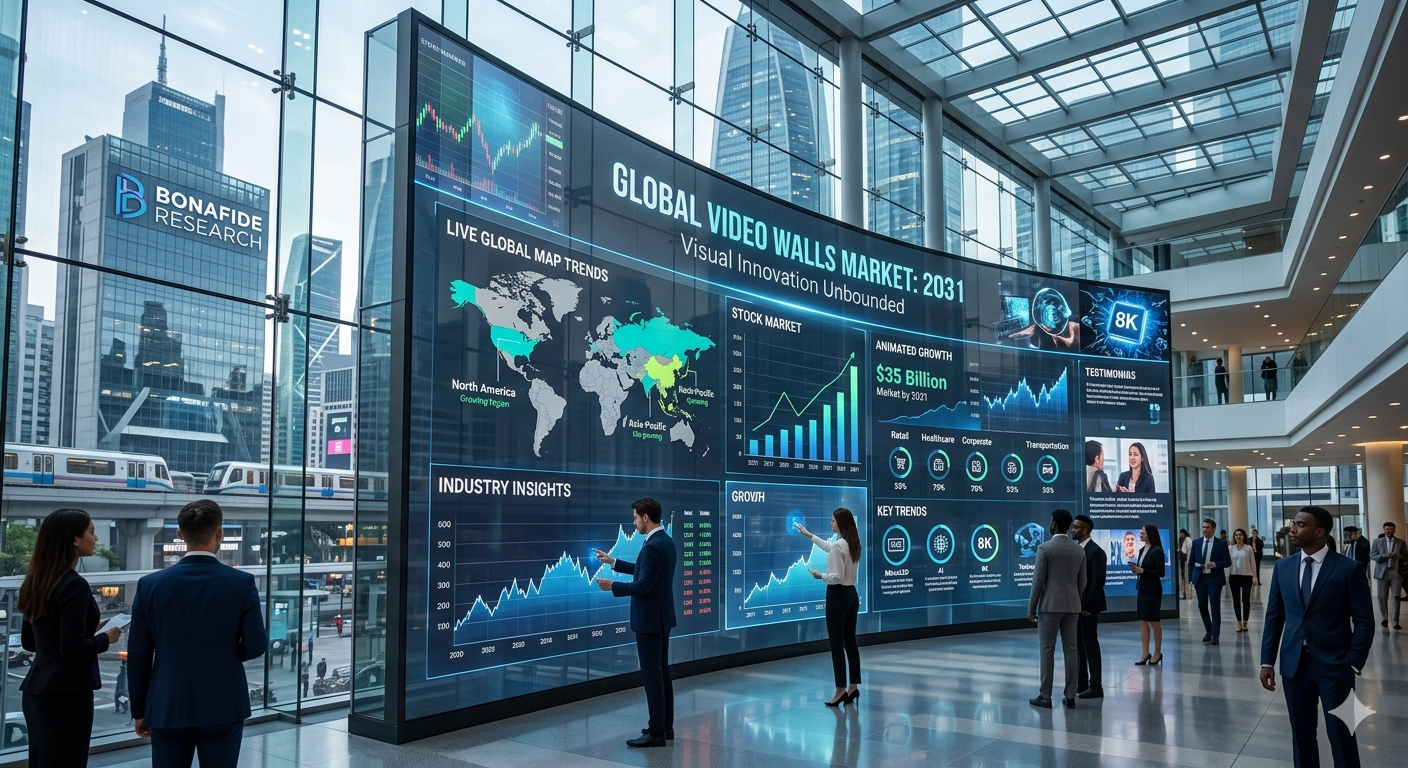
Global Video Walls market is expected to reach a market size of more than USD 27.51 Billion by 2031 with the CAGR of 13.49%
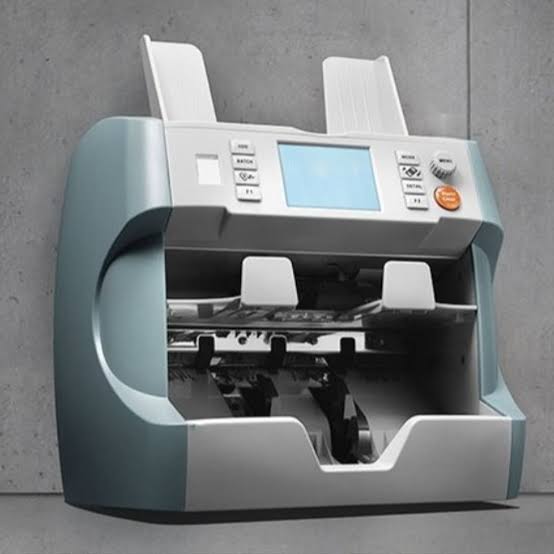
The Global Note Sorter Machine market was valued at more than USD 8.03 Billion in 2025, and expected to reach a market size of more than USD 5.42 Billion by 2031 with the CAGR of 6.94% from 2026-2031.
 We are friendly and approachable, give us a call.