

 By Sunny Keshri
 Top Six Companies Global Automotive Plastic Bumper Market
Global Automotive Plastic Bumper Market is projected to reach market size of USD 180.06 Billion by 2030 increasing from USD 118.65 in 2024.

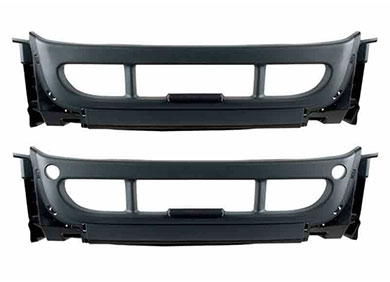
Vehicle parts are being reimagined in today's fast changing automotive industry to satisfy the requirements of sustainability, efficiency, and safety, with a particular emphasis on plastic bumpers. Automotive plastic bumpers, formerly regarded as simply a lightweight option, are now essential to contemporary vehicle design, providing the ideal balance of impact resistance, design versatility, and fuel economy. Manufacturers are turning to cutting-edge plastic composites to improve their bumper systems due to the growth of electric cars, greater focus on lightweight materials, and stringent regulatory requirements for crash safety and emissions. These materials enable complex shapes and integrated features such as sensors for ADAS (Advanced Driver-Assistance Systems), as well as lowering the weight of the car. Increasing use of recyclable, high-performance plastics that improve functionality and environmental compliance is the primary trend driving this transition. This blog examines the impact of plastic bumpers on the automotive sector and the causes of the growing demand for them.
The automotive industry's move towards plastic bumpers is indicative of a wider trend of lightweighting and the use of cutting-edge materials in automobile design. Plastic bumpers help automakers meet the ongoing demand to increase fuel economy, lower emissions, and improve vehicle safety without sacrificing appearance or performance. Metal bumpers were known for their durability in the past, but they also added a lot of weight, which raised gasoline usage. Conversely, plastic bumpers particularly those composed of thermoplastic olefins, polypropylene, and polycarbonate combinations offer comparable or superior impact resistance with a lot lower weight. This weight advantage is especially important for electric vehicles (EVs), since it increases battery range by lowering total mass. Additionally, plastic bumpers facilitate the integration of contemporary automotive technologies like parking sensors, cameras, and radar systems for autonomous and semi-autonomous driving, as well as sophisticated aerodynamic designs. Their adaptability in design and molding also lowers production costs and time while providing practical advantages and production efficiency. Sustainability, along with performance, is a major factor behind the trend. In accordance with environmental legislation and circular economy objectives, several plastic bumpers are now made using recycled materials or are completely recyclable themselves. Plastic bumpers provide a compelling solution as consumers and regulators alike push for greener cars. Plastic bumpers will continue to be a popular option in both the mass-market and high-end automobile sectors due to the industry's increased emphasis on safety, as well as the demands for technological integration and aesthetic customization. This shift represents a radical transformation in the way cars are made and designed, not just a change in materials.
Plastic bumpers are becoming more popular, which is causing a sea change in the automobile industry and reverberating throughout the value chain, from producers to retailers to end users. Plastic bumpers provide automakers and manufacturers with improved design flexibility, lower manufacturing expenses, and simpler integration of intelligent technologies such sensors and cameras. Manufacturers are increasingly compelled by this trend to invest in cutting-edge polymer materials and sophisticated molding techniques that satisfy both safety requirements and cosmetic preferences. In a highly competitive industry, the capacity to produce intricate forms and unique designs helps to set a brand apart. This trend benefits consumers by producing lighter cars that have higher fuel efficiency, lower emissions, and occasionally cheaper prices. In addition, plastic bumpers have better impact resistance and flexibility, which lowers repair expenses following minor collisions, making car ownership less expensive. From a design standpoint, consumers are now loving cars with more sophisticated capabilities built into the bumper itself and a more contemporary appearance. To meet changing demands, retailers and suppliers are increasing their inventory of plastic-based bumper parts, such as pre-painted and sensor-equipped versions. Nevertheless, this pattern also presents difficulties. The intricacy of newer materials may necessitate specialized maintenance procedures and machinery, which could raise the price of services if facilities are not adequately prepared. There are still worries about the recyclability and environmental effects of plastic bumpers, particularly in areas with stringent environmental laws. In spite of these hurdles, the advantages cost-effectiveness, sustainability, and technological integration make plastic bumpers a revolutionary trend that is still changing the way cars are conceived, produced, and experienced.
Thermoplastic bumpers, especially those made of polypropylene (PP) and thermoplastic olefins (TPO), are the most popular type of vehicle plastic bumper because they offer a great combination of strength, flexibility, and affordability because of their excellent impact resistance, these materials are perfect for front and back bumper systems, where both safety and aesthetics are important. Their light weight also helps the sector move toward fuel efficiency and reduced emissions, which is especially crucial in hybrid and electric automobiles. There are a number of main causes for the appeal of thermoplastic bumpers. Their ability to be molded first enables streamlined, aerodynamic designs that satisfy current aesthetic standards while minimizing drag. Secondly, they facilitate the integration of sophisticated technologies, such as the radars and sensors utilized in autonomous driving and ADAS because of their flawless compatibility, they are the obvious option for OEMs looking to ensure the long-term viability of their vehicle designs. The movement towards circular and sustainable manufacturing is another significant factor. In accordance with the objectives of automotive sustainability, recycled materials may be used to create a large number of thermoplastic bumpers, which are also recyclable. Furthermore, thermoplastics have lower manufacturing expenses and quicker turnaround times, which is appealing to companies that want to remain competitive in a market with high demand and rapid change. Areas with a focus on intelligent transportation and emissions restrictions, notably in Europe and Asia, are seeing more opportunities. Thermoplastic bumpers are well-placed to dominate the market in terms of both volume and value as the demand for novel, lightweight, and environmentally friendly automotive components increases.
The automotive plastic bumper market is on the verge of a quick expansion and revolution, fueled by the convergence of sustainability, intelligent car technology, and cutting-edge materials. Plastic bumpers will advance beyond their conventional function to become intelligent, multifunctional components as electric vehicles (EVs) and autonomous driving gain popularity. Future bumpers are anticipated to integrate flawlessly with sophisticated driver-assistance systems (ADAS), housing cameras, LiDAR, sensors, and other components without sacrificing aesthetics or aerodynamics. Bio-based polymers and carbon fiber-reinforced polymers are two examples of materials that are becoming more popular because they provide superior strength-to-weight ratios and environmental benefits. The development of self-healing polymers, which may greatly lower maintenance requirements, and 3D printing for quick prototyping and tailored bumper solutions are two of the growing trends. These innovations are consistent with worldwide environmental goals and have the potential to make manufacturing more flexible and sustainable. Companies must invest in R&D and work with material science companies to create next-generation bumper technology in order to remain competitive. To account for embedded electronics while maintaining safety and aesthetics, automakers need to reconsider their design methods. To include modular, tech-enabled bumpers in their product line, suppliers and retailers should diversify their offerings and provide training on their advantages and upkeep. By selecting cars with sustainable, technology-ready bumper systems that reduce environmental impact and long-term costs, consumers may also adjust. Regulatory organizations should promote these trends by changing regulations that promote innovation in safety and sustainability. Plastic bumpers will eventually not only protect cars, but will also be crucial in defining the future of intelligent, connected, and sustainable mobility.
See how you can up your career status

Global Automotive Plastic Bumper Market is projected to reach market size of USD 180.06 Billion by 2030 increasing from USD 118.65 in 2024.
 We are friendly and approachable, give us a call.