

Top Six Compaies in the Renewable Energy Market
Global Renewable Energy Market Outlook, 2030 is projected to reach market size of USD 1890 Billion by 2030 increasing from USD 1091.21 in 2024

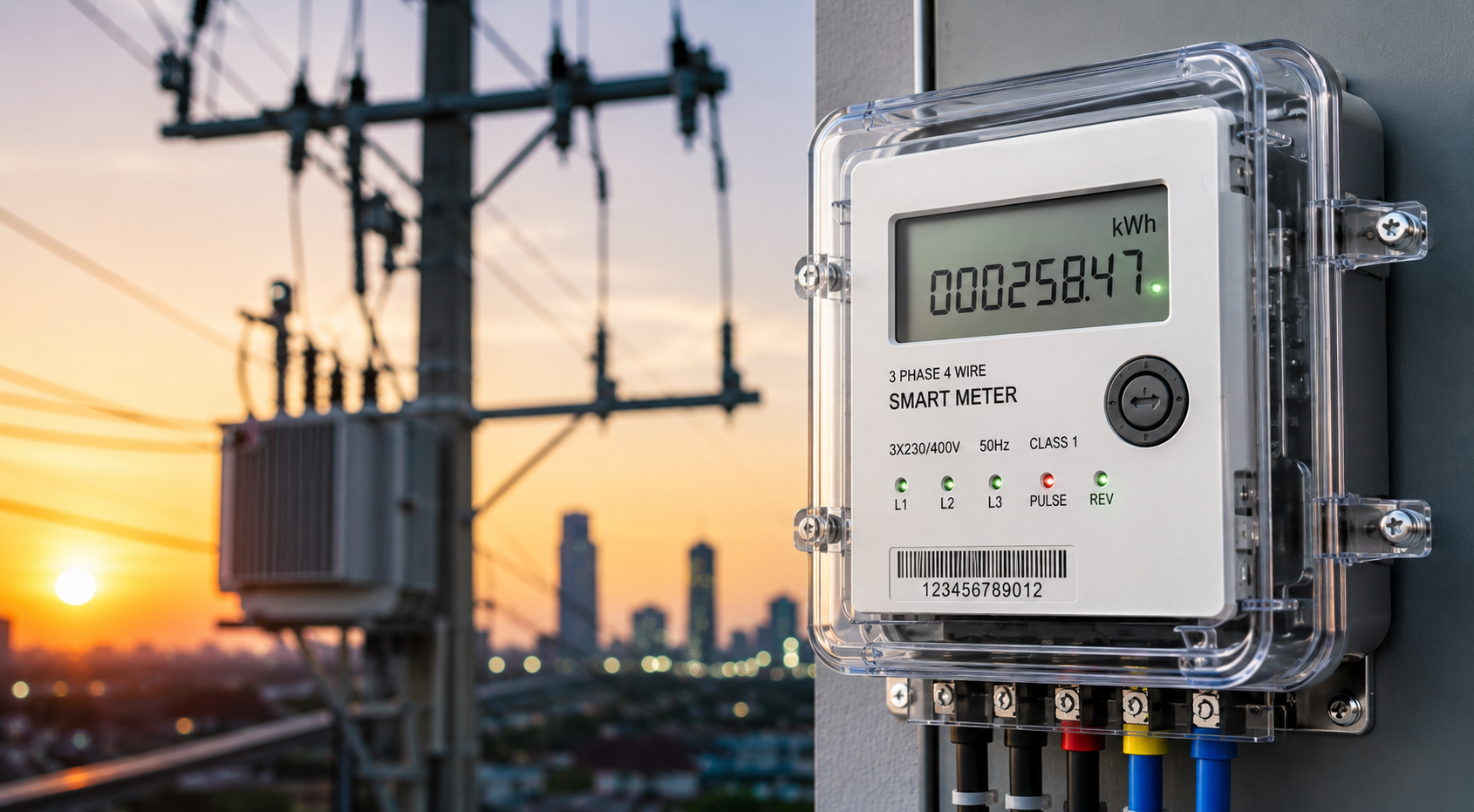
The global power metering market is experiencing a profound transformation, driven by the urgent need to modernize aging grid infrastructure, integrate distributed energy resources, and empower consumers with granular energy data. At the heart of this evolution lies the digitalization of the energy ecosystem, where traditional electromechanical meters are being replaced by advanced digital and smart metering solutions. As governments worldwide implement ambitious decarbonization targets and utilities grapple with the complexities of bidirectional power flows from solar and EV charging, the demand for sophisticated power metering solutions has surged to unprecedented levels. This is not merely about measuring consumption anymore; it's about enabling a dynamic, resilient, and data-driven grid for the 21st century.
The Scale of the Transformation
The global power metering market was valued at $21.67 billion in 2025 and is projected to expand at a compound annual growth rate (CAGR) of over 9.81% through 2026-31. This robust growth is propelled by digitization efforts, electrification of transport, modernization of industrial processes, and the increasing adoption of automated solutions. The momentum is clear: power metering is evolving from a simple billing tool to a critical component of the modern smart grid.
How Digitalization and Decarbonization Drive Power Metering Demand
The Regulatory and Decarbonization Catalyst: Ambitious government policies aimed at reducing carbon emissions are a primary engine for power metering adoption. The push for time-of-use pricing and demand response programs requires meters capable of tracking consumption in real-time to adjust pricing dynamically. These initiatives are essential for managing peak loads and incentivizing energy conservation, which in turn fuels the need for advanced metering infrastructure.
Renewable Energy and Distributed Resources Integration: The proliferation of distributed energy resources (DERs) like rooftop solar, battery storage, and electric vehicle charging is fundamentally changing the grid. These technologies create bidirectional power flows, where consumers can both import and export electricity. This complexity requires high-resolution, bidirectional metering capable of accurately tracking both inflows and outflows, a function that traditional meters cannot perform.
Technological Innovation and Smart Grid Integration: The evolution of power metering is closely tied to the broader development of smart grids. Major trends include the expansion of Advanced Metering Infrastructure (AMI) systems, which provide utilities with real-time data for improved grid management, outage detection, and load forecasting. The integration of IoT and AI further enhances these capabilities, enabling predictive analytics and automated grid control.
Leading Segments
Smart meters currently lead the market with digital meters gaining traction as the fastest-growing segment. The residential segment is the largest, accounting major of the market share, driven by massive smart meter rollout programs worldwide. However, the commercial and industrial (C&I) sectors are also significant growth areas. Single-phase meters are the most prevalent, comprising 72% of the market share, primarily serving residential applications. Asia-Pacific constitutes the world's largest metering market, home to nearly 1.1 billion connected energy meters more than North America and Europe combined.
Key Drivers Shaping the Market
Smart Grid Infrastructure Investment: Governments and utilities are investing billions to modernize energy systems for enhanced reliability and renewable integration. The expansion of distributed solar, battery storage, and EV charging is driving the need for bidirectional metering. In the U.S., significant energy and industry investments are accelerating this modernization.
Demand for Energy Efficiency and Grid Transparency: There is a growing demand from both utilities and consumers for greater transparency in energy usage. Power meters provide the data needed for detailed energy audits, efficiency monitoring, and accurate billing. This focus on analytics and grid transparency helps utilities better manage load, reduce losses, and improve overall system performance.
See how you can up your career status
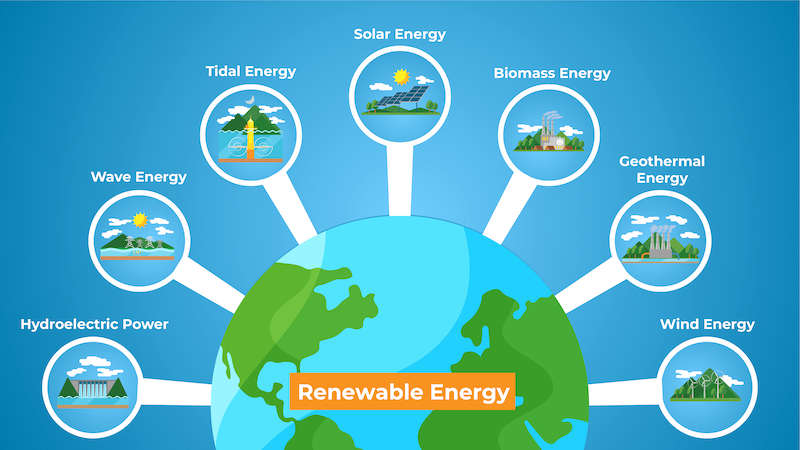
Global Renewable Energy Market Outlook, 2030 is projected to reach market size of USD 1890 Billion by 2030 increasing from USD 1091.21 in 2024
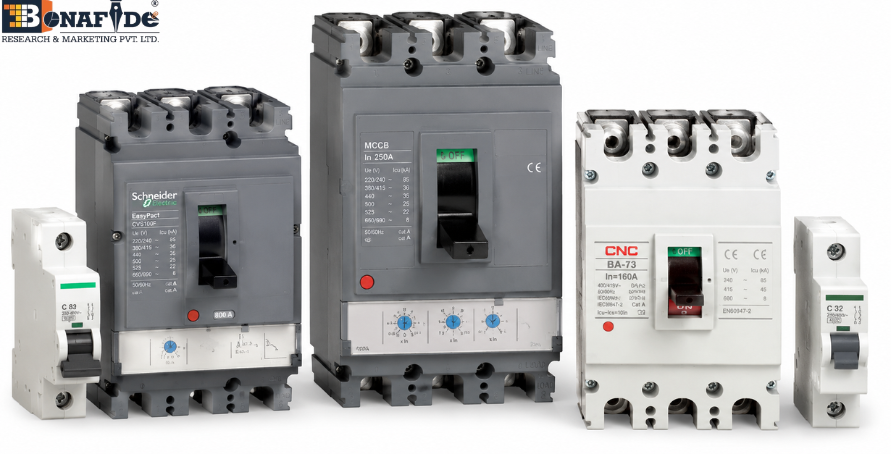
The Global Circuit Breakers market was valued at more than USD 22.76 Billion in 2025, and expected to reach a market size of more than USD 35.92 Billion by 2031 with the CAGR of 8.10% from 2026-2031.

The global petroleum sorbent pads market was valued at over USD 25.88 billion in 2025 and is expected to exceed USD 43.22 billion by 2031, growing at a CAGR of over 9.16%.
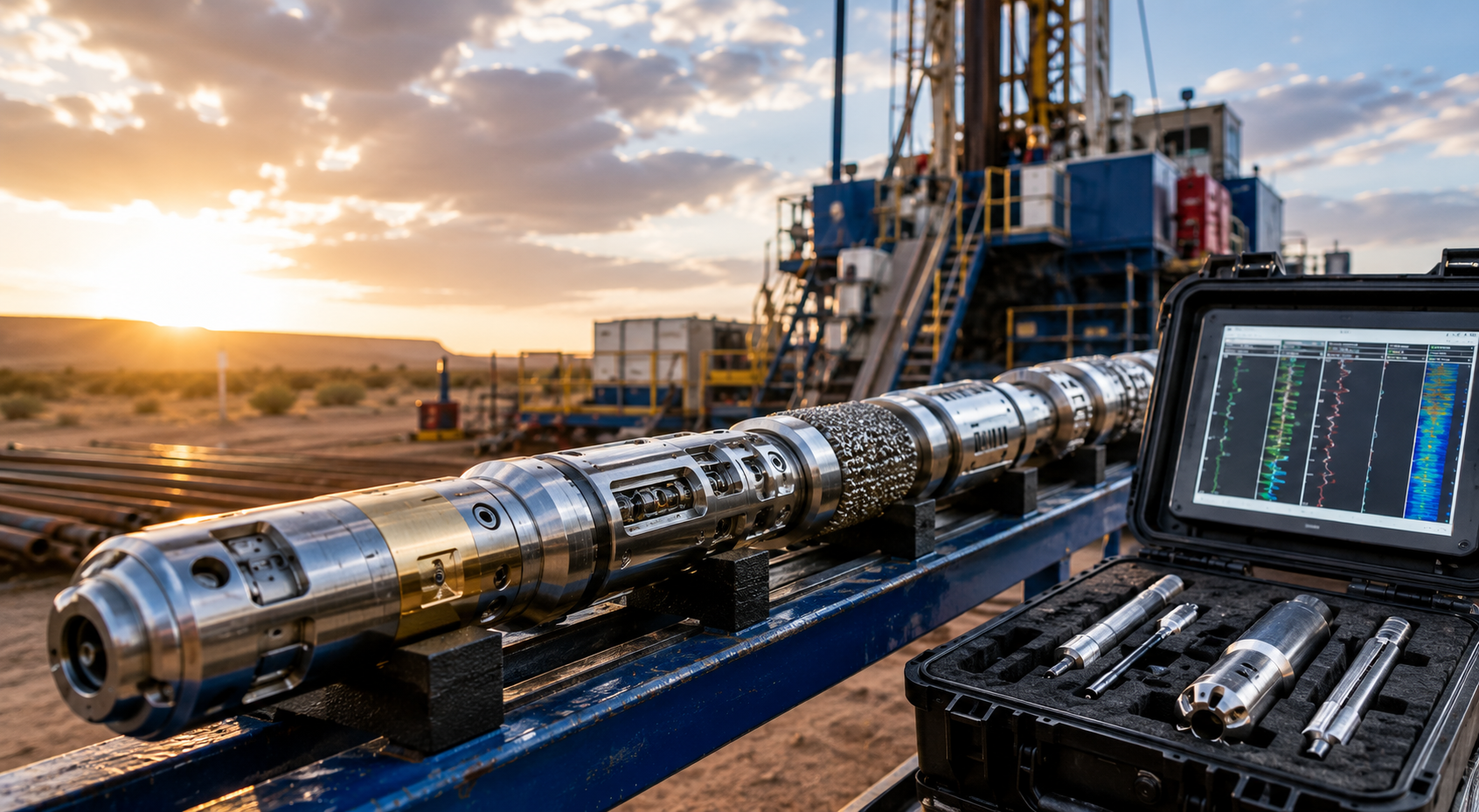
The global well logging tools market was valued at USD 8.11 billion in 2025 and is expected to reach USD 13.63 billion by 2031, rising at a CAGR of 9.28%.
 We are friendly and approachable, give us a call.