

 By Anuj Mulhar
 Top Six Companies Global Claim Processing Software Market
Global Claim Processing Software Market is projected to reach market size of USD 66.38 Billion by 2030.

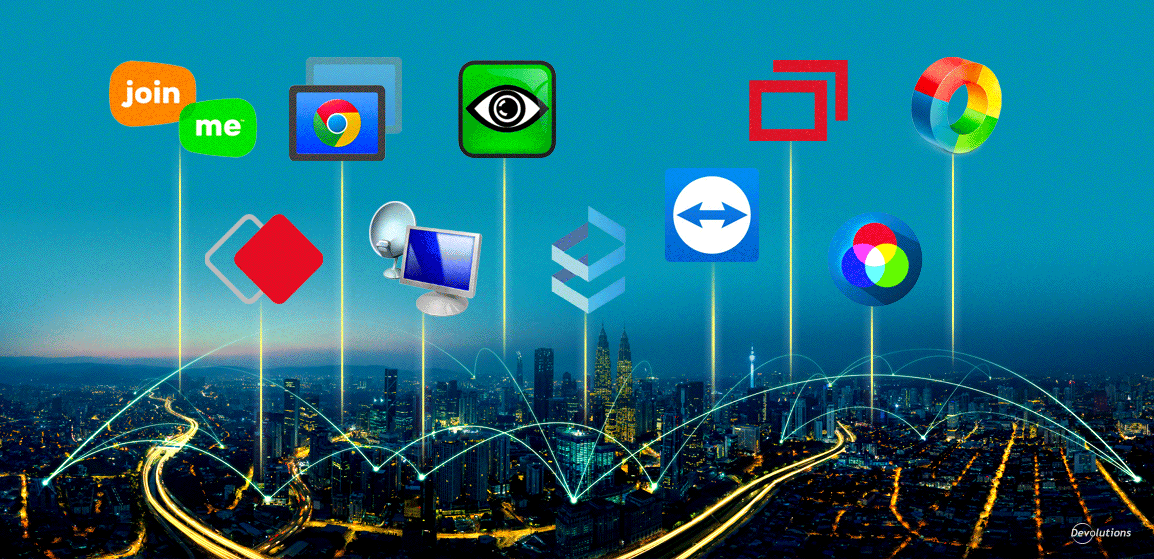
The proliferation of remote working software has transformed how companies conduct business and communicate in today's environment of digital connectedness. In many firms, what was formerly seen as a short-term remedy during worldwide upheavals has now turned into a permanent feature. The need for dependable, safe, and effective remote working solutions has skyrocketed as businesses adopt flexible work schedules and dispersed teams throughout different time zones. Due to this change, platforms that facilitate communication, project management, file sharing, and virtual collaboration have seen significant innovation and growth. The integration of cloud-based solutions with AI-powered capabilities is the main trend behind this change, which guarantees seamless connectivity and real-time productivity regardless of the user's physical location. Remote working software is now a strategic need, not simply a convenience, as companies continue to place a high value on work-life balance and agility. This blog examines the development of this market, the potential impact of new technologies, and how stakeholders may successfully adjust.
The contemporary workplace is being revolutionized by the trend of embracing remote working software. Remote collaboration tools were formerly seen as a niche solution for freelancers and startups, but they are now necessary in companies of all sizes and sectors. The need for employee happiness, business continuity, and flexibility are the primary drivers of this change. Hybrid or completely remote work models, which necessitate strong digital infrastructures to support productivity and communication, are replacing conventional office settings in organizations. Consequently, real-time collaboration, team messaging, cloud storage, task management, and video conferencing capabilities have become essential to day-to-day tasks. The development of user-friendly platforms that combine several functions into a single interface, reducing the need for many software subscriptions and streamlining processes, is another factor driving this trend. Enhanced security measures, end-to-end encryption, and compliance choices are becoming more and more crucial, notably in industries like law, banking, and healthcare. Remote working software's flexibility has altered employee expectations, with many now favoring positions that offer location independence and a greater work-life balance. As a result, businesses are spending money on systems that promote teamwork, track well-being, and analyze performance, in addition to enabling collaboration. By lowering the need for office space and commuting, the tendency also promotes sustainability objectives and is consistent with CSR initiatives. The need for software solutions that are scalable, secure, and user-friendly will continue to fuel innovation and adoption in markets around the world as remote work becomes more entrenched in workplace culture.
Businesses are redefining their internal and external interactions with customers as a result of the move towards remote working software, which is changing the architecture and strategy of many sectors. For the tech sector, it has sped up innovation, encouraging software developers to create more integrated, user-friendly, and scalable platforms that address the changing needs of dispersed teams. Developers and manufacturers are now paying close attention to these remedies as strategic priorities since they have evolved into essential infrastructure rather than supplementary extras. There has been a significant shift in how customers, particularly workers, interact with their jobs. Remote software allows for more flexibility, independence, and access to possibilities beyond geographical borders. With digital literacy and virtual teamwork being essential workplace skills, it has changed expectations around work-life balance and productivity. The trend for retailers and service providers has been toward remote or hybrid operational models, supply chains, and customer service systems, necessitating the use of innovative technologies and digital tactics in order to manage teams and ensure consistent consumer experiences. But this trend also presents difficulties. Businesses must address worries about digital fatigue, data protection, and cybersecurity. Training, cultural changes, and IT infrastructure investments are all necessary in order to implement remote working systems at scale. Maintaining teamwork and innovation in virtual environments is still a challenge for certain industries. However, the advantages lower overhead expenses, access to a worldwide talent pool, greater employee satisfaction, and business continuity are strong incentives. In consequence, remote work software is not only altering how work is performed, but it is also transforming the core of business operations, workforce dynamics, and competitive strategy in almost all industries.
Collaboration and communication platforms are the most prevalent product category among the many types of remote working software. These platforms which include integrated workflow systems, project management dashboards, team chat applications, and video conferencing tools are the digital foundation for hybrid and remote teams. Their popularity is based on their capacity to replicate the in-office experience, allowing users to communicate, share files, collaborate in real time, and monitor tasks from anywhere. These tools are intended to improve efficiency, promote teamwork, and keep projects moving forward even in remote work settings. Their supremacy is largely driven by the growing demand for integrated digital workspaces. Because companies are managing numerous applications, there is a high need for platforms that integrate functions like messaging, scheduling, and document collaboration into one interface. In terms of increasing efficiency, this also lowers the complexity and expense of managing several software solutions. As companies strive for greater integrations with other enterprise tools such CRMs, HR systems, and cloud storage, prospects for growth continue to increase. These platforms are also being improved by the advent of artificial intelligence, which adds intelligent capabilities such as voice recognition, automated meeting summaries, and productivity analytics. The campaign for inclusive workplaces is fostering advancements in language translation software and accessibility features. Collaboration software continues to be at the forefront as the nature of employment changes, providing a potent tool for businesses looking to maintain connection, productivity, and competitiveness in a distributed environment. It is a crucial area for investment and innovation due to its centrality to remote labor and adaptability.
Ongoing digital transformation, growing employee expectations, and technological progress are driving the future development of remote working software. Remote collaboration platforms will place greater emphasis on seamless user experiences, intelligent automation, and more integration across business functions as remote and hybrid work models become the norm rather than the exception. Real-time analytics that improve decision-making and productivity, predictive project management, and more intelligent meeting technologies will all be made possible by the key roles played by artificial intelligence (AI) and machine learning (ML). By providing immersive meeting spaces and lifelike interaction, bridging the physical gap between teams, virtual reality (VR) and augmented reality (AR) are emerging trends that are set to revolutionize remote collaboration. In tandem, cybersecurity will continue to be a major priority, with advancements in data encryption, multi-factor authentication, and zero-trust architecture becoming commonplace. Businesses must adopt flexible IT strategies, invest in training staff in digital collaboration skills, and implement agile frameworks that enable the rapid integration of new tools in order to adapt. To maintain productivity in ever more virtual workplaces, consumers, particularly those who work remotely, should concentrate on time management strategies and digital literacy. The top priority for software companies will be to create scalable, user-centered solutions that cater to the demands of businesses as well as the tastes of individual users. Remote working software will continue to evolve from basic communication tools to sophisticated digital ecosystems that enable complete workflows. Companies that adjust early and strategically will be in a better position to succeed in this changing environment, gaining a competitive advantage through improved talent retention, operational resilience, and collaboration.
See how you can up your career status
Global Claim Processing Software Market is projected to reach market size of USD 66.38 Billion by 2030.
 We are friendly and approachable, give us a call.