

 By Sunny Keshri
 Satellite Industry Trends: How Smaller, Smarter Satellites Are Reshaping the Market
The global Satellite market is projected to grow to USD 405 billion by 2030, up from USD 279.21 billion in 2024, driven by the increasing demand for connectivity.

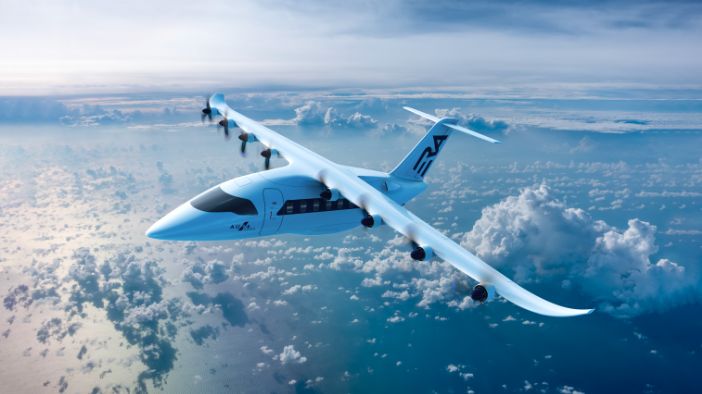
The aviation industry is undergoing a revolutionary change as it adopts greener, more sustainable technologies, with electric aircraft leading the way. Traditional fossil fuel-powered aviation is being questioned by electric alternatives that promise a quieter, more efficient, and environmentally friendly future as worldwide pressure increases to lower carbon emissions and address climate change. Given the continuing growth of air transportation and the growing urgency for sustainable innovation, this change is both timely and necessary. The focus of manufacturers, governments, and investors alike is turning to electric airplanes, which range from tiny personal planes to regional commuter jets. The key trend driving this momentum is the development of lightweight materials and sophisticated battery systems, which are increasing the feasibility and scalability of electric flight. This blog examines the growth of the electric aircraft sector, its effects on the future of aviation, and how the industry is getting ready for a cleaner takeoff.
A combination of economic opportunity, technological progress, and environmental urgency is propelling the trend toward electric airplanes. Aviation, one of the industries with the greatest emissions, is coming under more and more examination as global industries work to lower their carbon footprints. As a result, businesses are making significant investments in the research and development of electric-powered airplanes that operate more efficiently and quietly than their conventional counterparts, with zero in-flight emissions. The increasing interest in electric aviation ranges from startups developing electric vertical takeoff and landing (eVTOL) vehicles for urban transportation to big aerospace corporations creating regional electric planes for short-distance travel. Electric propulsion systems, which are primarily powered by high-density batteries, are becoming more sophisticated, allowing for greater flight ranges and quicker charging times. The practicality of electric flying is being increased by lightweight composite materials and advancements in aerodynamics. Governments and regulatory agencies are starting to back these advancements with infrastructure planning, grants, and policy incentives, indicating a broader dedication to sustainable aviation. One of the most significant features of this trend is its capacity to alter how individuals go between short and medium distances. Electric planes may make regional air travel more affordable, especially in remote or underserved locations, thanks to reduced noise, fewer emissions, and maybe reduced operating costs. Pilot initiatives, prototype testing, and increasing private investment are laying the groundwork, but there are still regulatory and technological obstacles to overcome before a full-scale commercial rollout can take place. The electric aircraft movement marks a fundamental change in how the world views aviation, not just a new class of transportation.
The introduction of a new paradigm centered on sustainability, efficiency, and innovation is fundamentally changing the aviation business through the rise of electric aircraft. The trend is causing producers to completely reconsider aircraft design, propulsion systems, and materials. New competitors, particularly entrepreneurs, are entering the market with flexible and revolutionary strategies, while established jet engine manufacturers are switching to electric propulsion systems. Increased demand for modern batteries, electric motors, and lightweight composites is also driving changes in the supply chain. The industry is seeing rapid advancements and diversification as a result of this change, which is encouraging cooperation among aerospace businesses, tech businesses, and battery manufacturers. Electric airplanes offer travelers quieter, cleaner, and perhaps cheaper flying, particularly on regional and short-haul routes. With the rise in popularity of electric aircraft, passengers may experience quieter rides with less noise pollution and a lower impact on the environment. The advent of eVTOLs may result in quicker, more convenient intra-city travel in metropolitan areas. Electric aviation may revolutionize airport infrastructure, maintenance services, and travel logistics, necessitating that retailers and service providers also plan for change. But this trend has its difficulties. Regulators should develop new certification criteria for electric planes, and battery technology needs to improve in order to facilitate greater ranges and quicker charging. The infrastructure must be developed, including maintenance centers and charging outlets. The advantages, which include lower emissions, lower running expenses, and new mobility options, are fueling industry momentum despite these challenges. Overall, electric aviation is revolutionizing the way planes are powered, as well as the way the entire ecosystem functions and serves the international traveler.
In terms of technological maturity and commercial viability, fixed-wing electric aircraft are now the front-runners among the different categories of the electric aircraft industry. These vehicles resemble conventional airplanes but employ electric propulsion systems in place of fuel engines. Because of their simplicity, improved aerodynamic efficiency, and suitability for regional and short-haul trips, fixed-wing electric planes are becoming more popular. Because they can be used for a variety of functions, including pilot training, military surveillance, passenger flights, and cargo transportation, they are extremely adaptable. The primary factor driving their dominance is the rising demand for regional air travel with low emissions, especially in regions with inadequate or ineffective land infrastructure. Electric fixed-wing airplanes provide a convincing remedy for cleaner skies as governments implement stricter emissions regulations and carbon-neutral targets. Because of their reduced fuel consumption and simpler propulsion systems, they can operate at lower costs, which makes them appealing to regional airlines and air taxi services looking for profitability while being environmentally conscious. Advances in electric motor performance, lightweight materials, and battery technology are also opening up new possibilities. The use of fixed-wing versions for business applications is becoming more and more realistic thanks to these advancements, which are increasing flight range and lowering charge time. In addition, funding for sustainable aviation at the national and international levels is fostering research and regulatory assistance in this sector because startups and established aerospace businesses are concentrating their research and development efforts on fixed-wing electric platforms, this product category is well-placed to spearhead the initial wave of electric aviation acceptance.
See how you can up your career status

The global Satellite market is projected to grow to USD 405 billion by 2030, up from USD 279.21 billion in 2024, driven by the increasing demand for connectivity.
 We are friendly and approachable, give us a call.