

 By Anuj Mulhar
 Top Six Companies Global Electric Toll Collection Market
Global Electric Toll Collection Market Outlook, 2030 is projected to reach market size of USD 16.11 Billion by 2030

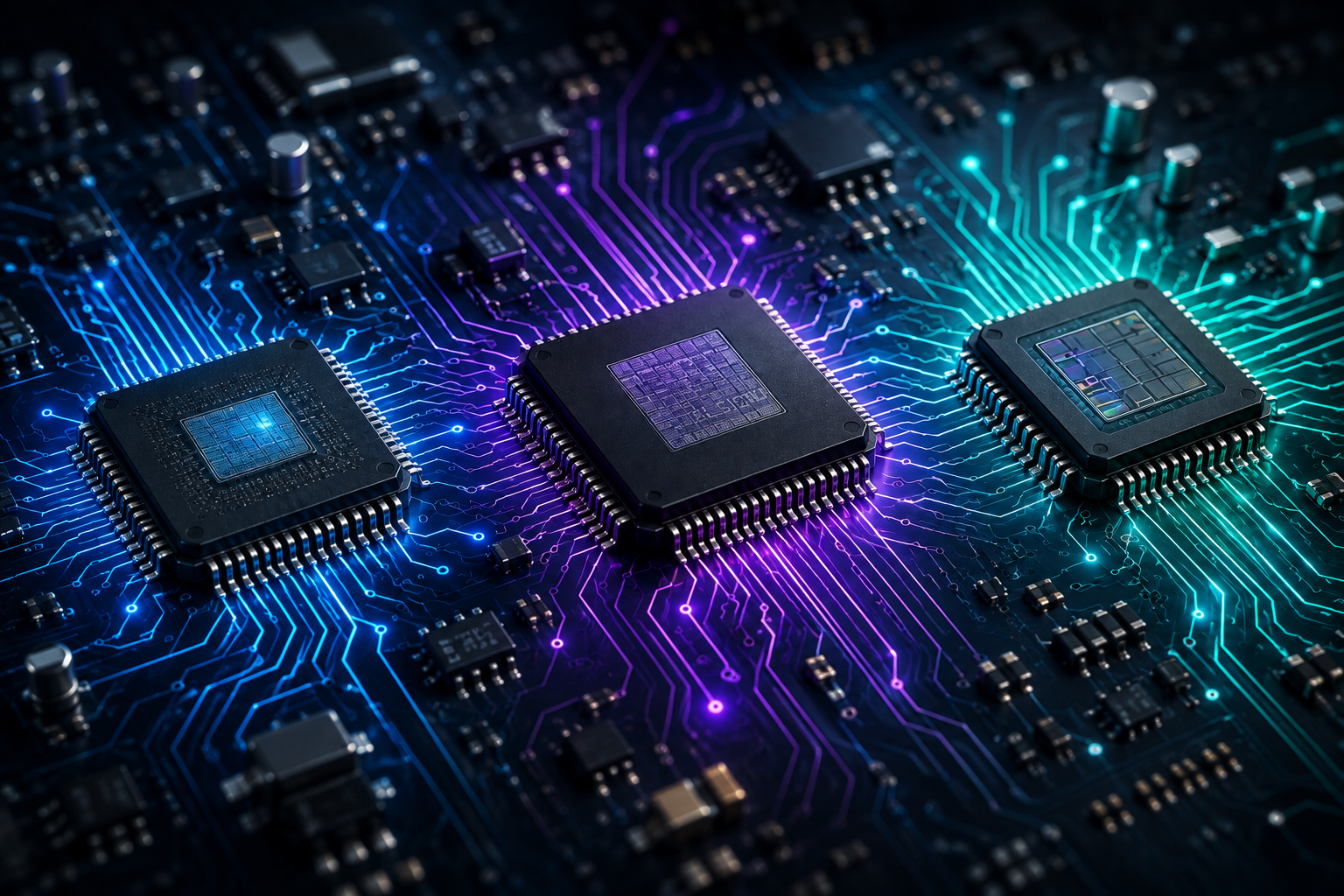
The Global Microcontrollers, DSP, & IP Core Chip market was valued at more than USD 61.33 Billion in 2025, and expected to reach a market size of more than USD 92.73 Billion by 2031 with the CAGR of 7.32% from 2026-2031. The rapid expansion of connected devices, intelligent electronics, automotive systems, industrial automation, and edge computing is increasing demand for specialized semiconductor architectures that can process data efficiently and in real time. At the center of this transformation are microcontrollers (MCUs), digital signal processors (DSPs), and intellectual property (IP) cores, which provide the computational foundation for everything from vehicle control systems and industrial equipment to consumer electronics and connected IoT devices. The Microcontrollers, DSP, & IP Core Chip Market is evolving as semiconductor manufacturers focus on delivering higher processing performance, lower power consumption, greater integration, and application-specific capabilities for increasingly intelligent electronic systems. Edge intelligence is expanding the role of embedded processing As more devices are expected to make decisions locally, computing is increasingly moving closer to where data is generated. Microcontrollers are becoming more capable of handling sensing, control, connectivity, and lightweight artificial intelligence workloads without depending entirely on centralized cloud infrastructure. This shift toward edge intelligence is particularly important for applications where low latency, reliability, and power efficiency are critical. Modern MCUs are increasingly integrating communication interfaces, security functions, memory, analog capabilities, and processing units into compact architectures. This enables manufacturers to develop smaller and more connected products while reducing system complexity. The expansion of IoT devices, smart appliances, industrial sensors, and wearable electronics is therefore creating new opportunities for MCU manufacturers and semiconductor designers. Automotive electronics are creating a new growth engine The transformation of vehicles into connected and software-intensive platforms is significantly expanding demand for microcontrollers, DSPs, and semiconductor IP. Modern vehicles rely on embedded processors to manage powertrain functions, battery systems, body electronics, infotainment, advanced driver assistance systems (ADAS), and vehicle networking. The growth of electric vehicles is further increasing semiconductor content per vehicle as manufacturers integrate battery management systems, power electronics, motor control, thermal management, and charging technologies. At the same time, DSPs are increasingly important for processing audio, radar, imaging, and other real-time signals used in automotive applications. This convergence of electrification, connectivity, and intelligent vehicle systems is positioning automotive electronics as an important long-term opportunity for the market. DSPs are powering real-time signal processing Digital signal processors remain essential wherever large volumes of real-time data need to be processed quickly and efficiently. Applications ranging from telecommunications and wireless infrastructure to audio equipment, medical devices, industrial automation, and automotive sensing depend on DSP architectures to perform complex mathematical operations with low latency. The development of advanced communication technologies, including 5G and emerging next-generation networks, is further increasing the need for efficient signal processing. DSPs are also being integrated into increasingly sophisticated systems that require real-time audio, image, radar, and sensor-data processing. As edge devices become more intelligent, demand for specialized processing architectures capable of delivering high performance within strict power constraints is expected to remain strong. IP cores are accelerating semiconductor innovation The growing complexity and cost of semiconductor development are increasing the strategic importance of reusable IP cores. Instead of designing every component from the ground up, chip manufacturers and system developers can integrate pre-designed processor, interface, memory, security, and accelerator IP into their semiconductor architectures. This approach can shorten development cycles, reduce engineering costs, and enable faster commercialization of application-specific chips. The expansion of system-on-chip (SoC) architectures, artificial intelligence accelerators, connected devices, and customized semiconductor solutions is creating additional demand for flexible and scalable IP blocks. As chip architectures become increasingly specialized, semiconductor IP is becoming an important enabler of faster innovation across multiple electronics industries. Asia-Pacific remains central to semiconductor growth Asia-Pacific continues to play a crucial role in the global semiconductor ecosystem due to its extensive electronics manufacturing base, strong semiconductor supply chains, and growing investments in advanced chip development. China, Japan, South Korea, and Taiwan remain important markets across semiconductor manufacturing, electronics production, automotive technologies, and consumer devices, while India is expanding its semiconductor design and electronics manufacturing capabilities. North America remains a major center for semiconductor innovation, processor architecture, chip design, and IP development, supported by significant investments in artificial intelligence, data centers, automotive technologies, and edge computing. Europe also represents an important market, particularly in automotive electronics, industrial automation, and embedded systems. The future is moving toward specialized, connected computing The future of the Microcontrollers, DSP, & IP Core Chip Market will be shaped by the growing need for specialized computing that combines performance, security, connectivity, and energy efficiency. Artificial intelligence at the edge, software-defined vehicles, industrial IoT, advanced communications, smart consumer electronics, and autonomous systems will continue increasing the computational requirements of embedded devices. As semiconductor architectures become more application-specific, the convergence of MCU capabilities, DSP processing, AI acceleration, and reusable IP cores will enable manufacturers to build increasingly intelligent systems within smaller and more energy-efficient designs. The market is therefore moving beyond traditional embedded processing toward a new generation of specialized computing platforms that form the technological foundation of connected and intelligent devices.
See how you can up your career status
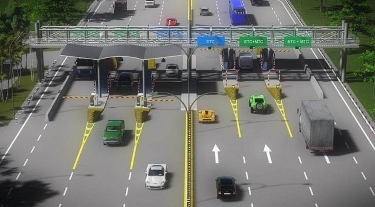
Global Electric Toll Collection Market Outlook, 2030 is projected to reach market size of USD 16.11 Billion by 2030

Global Smart Containers Market Outlook, 2030 was valued at more than USD 5.72 Billion in 2024, and expected to reach a market size of more than USD 15.67 Billion by 2030
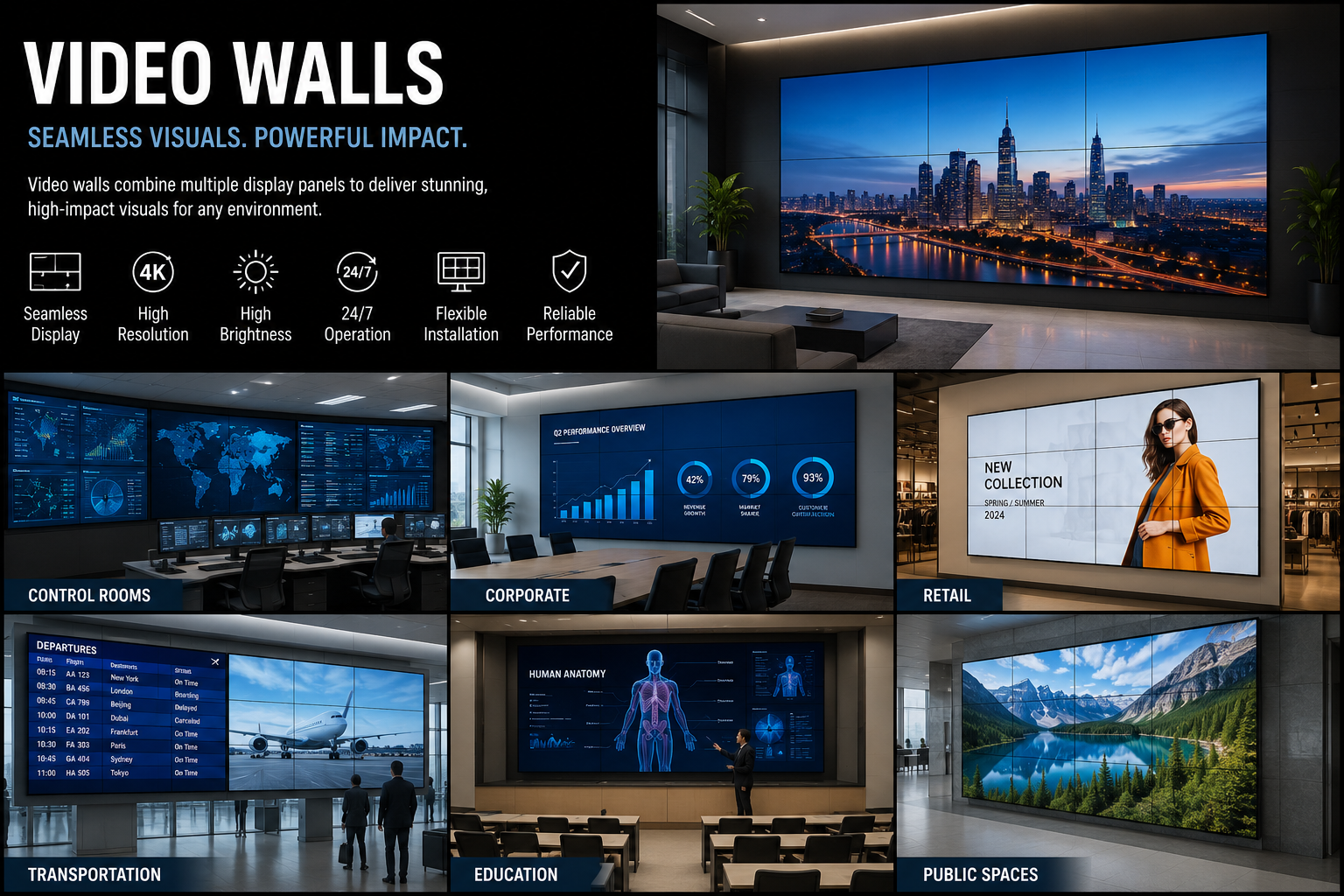
Global Video Walls Market Outlook, 2031 was valued at more than USD 13.11 Billion in 2025, and expected to reach a market size of more than USD 27.51 Billion by 2031
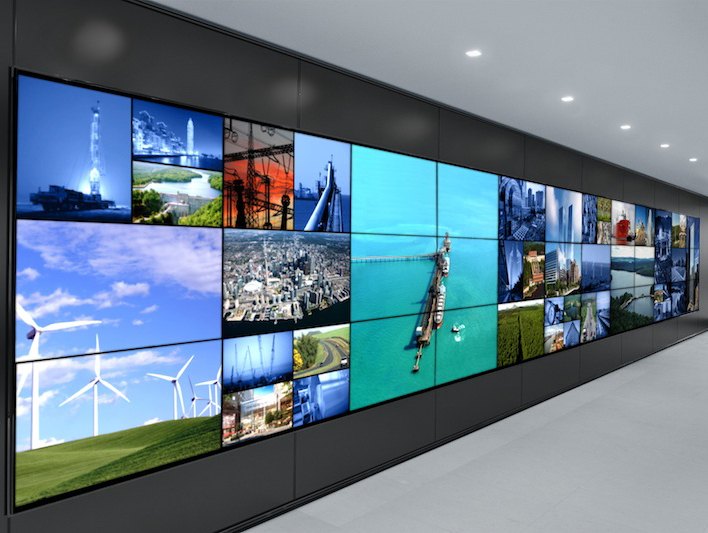
The Global Video Walls market was valued at more than USD 13.11 Billion in 2025, and expected to reach a market size of more than USD 27.51 Billion by 2031 with the CAGR of 13.49% from 2026-2031.
 We are friendly and approachable, give us a call.