Construction is Entering the Digital Era
The Global Construction Management Software market was valued at more than USD 7.43 Billion in 2025, and expected to reach a market size of more than USD 13.13 Billion by 2031 with the CAGR of 10.21% from 2026-2031. The construction industry has traditionally relied on manual planning, paper-based documentation, and fragmented communication to manage complex projects. However, as projects become larger, timelines tighter, and sustainability requirements more demanding, digital transformation has become a necessity rather than an option. At the center of this evolution is the construction management software market, which is redefining how construction projects are planned, executed, and monitored. Construction management software has evolved beyond simple scheduling tools into integrated digital platforms that connect project managers, contractors, architects, engineers, suppliers, and clients through a single ecosystem. These solutions improve collaboration, increase operational visibility, and enable data-driven decision-making throughout the project lifecycle.
AI is Transforming Project Management
One of the most influential trends shaping the construction management software market is the integration of Artificial Intelligence (AI). Construction firms are increasingly adopting AI-powered software to improve project planning, optimize resource allocation, and predict project risks before they impact budgets or schedules. Modern platforms can analyze historical project data, weather conditions, labor productivity, equipment utilization, and procurement timelines to identify potential delays and recommend corrective actions. AI-powered predictive analytics helps project managers make informed decisions while minimizing cost overruns and scheduling conflicts. As construction projects become increasingly complex, AI is enabling organizations to shift from reactive project management to predictive and proactive execution.
Cloud-Based Platforms Are Becoming the Industry Standard
The rapid adoption of cloud computing is significantly accelerating market growth. Cloud-based construction management software allows project stakeholders to access real-time project information from any location, improving coordination across multiple job sites. Project documents, drawings, contracts, financial reports, and progress updates can be securely shared through centralized platforms, reducing communication gaps and improving workflow efficiency. Mobile accessibility further enables engineers, supervisors, and contractors to update project information directly from construction sites, ensuring greater transparency and faster decision-making. The flexibility and scalability of cloud solutions are making them increasingly attractive for both large enterprises and small-to-medium construction companies.
Building Information Modeling (BIM) Integration is Driving Innovation
Another major trend reshaping the market is the growing integration of Building Information Modeling (BIM) with construction management software. BIM enables stakeholders to create intelligent digital models that combine architectural, structural, mechanical, and operational information into a unified environment. When integrated with project management platforms, BIM improves collaboration, enhances design accuracy, minimizes construction errors, and supports better project planning. It also enables real-time coordination between designers, contractors, and project owners, reducing costly rework and improving overall project efficiency. As governments increasingly encourage or mandate BIM adoption for large infrastructure projects, software providers are expanding their capabilities to support end-to-end digital construction workflows.
Sustainability and Smart Construction Are Creating New Opportunities
The construction industry is under increasing pressure to improve sustainability while maintaining profitability. Construction management software is helping organizations monitor material consumption, reduce waste, optimize equipment utilization, and improve energy efficiency throughout project execution. Digital platforms also support compliance with environmental regulations and green building certification programs by providing accurate project documentation and sustainability reporting. As the industry embraces smart construction practices, software solutions are becoming essential tools for achieving operational and environmental objectives simultaneously.
Regional Outlook
North America currently represents a significant share of the construction management software market due to widespread digital adoption, advanced construction technologies, and strong investment in commercial and infrastructure development. Europe continues to experience steady growth driven by smart building initiatives and increasing adoption of Building Information Modeling. The Asia-Pacific region is expected to witness the fastest market expansion during the forecast period, supported by rapid urbanization, large-scale infrastructure development, and government investments in digital construction. Countries such as China, India, Japan, and South Korea are emerging as key growth markets due to expanding construction activities and increasing software adoption. The future of the construction management software market will be defined by intelligent automation, connected workflows, and data-driven project execution. Artificial intelligence, cloud computing, BIM, IoT-enabled job sites, and digital twins are collectively transforming how construction projects are delivered. As the construction industry continues its transition toward Construction 4.0, software platforms will become central to improving productivity, controlling costs, managing risks, and enhancing sustainability. Companies that invest in AI-enabled analytics, cloud-native solutions, and integrated project ecosystems are expected to lead the next phase of market growth, enabling a smarter, more efficient, and digitally connected construction industry.



 By Anuj Mulhar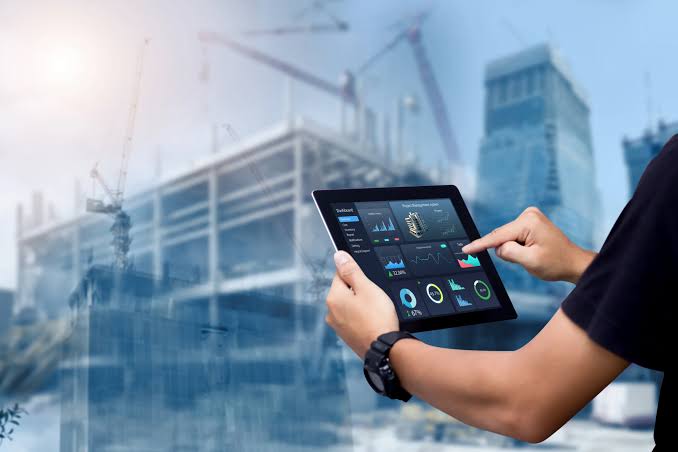




 We are friendly and approachable, give us a call.