

 By Manmayi Raval
 Moringa products gaining momentum worldwide
The global moringa products market will grow from USD 10.22B in 2024 to USD 18.03B by 2030, expanding at a 10.14% CAGR.

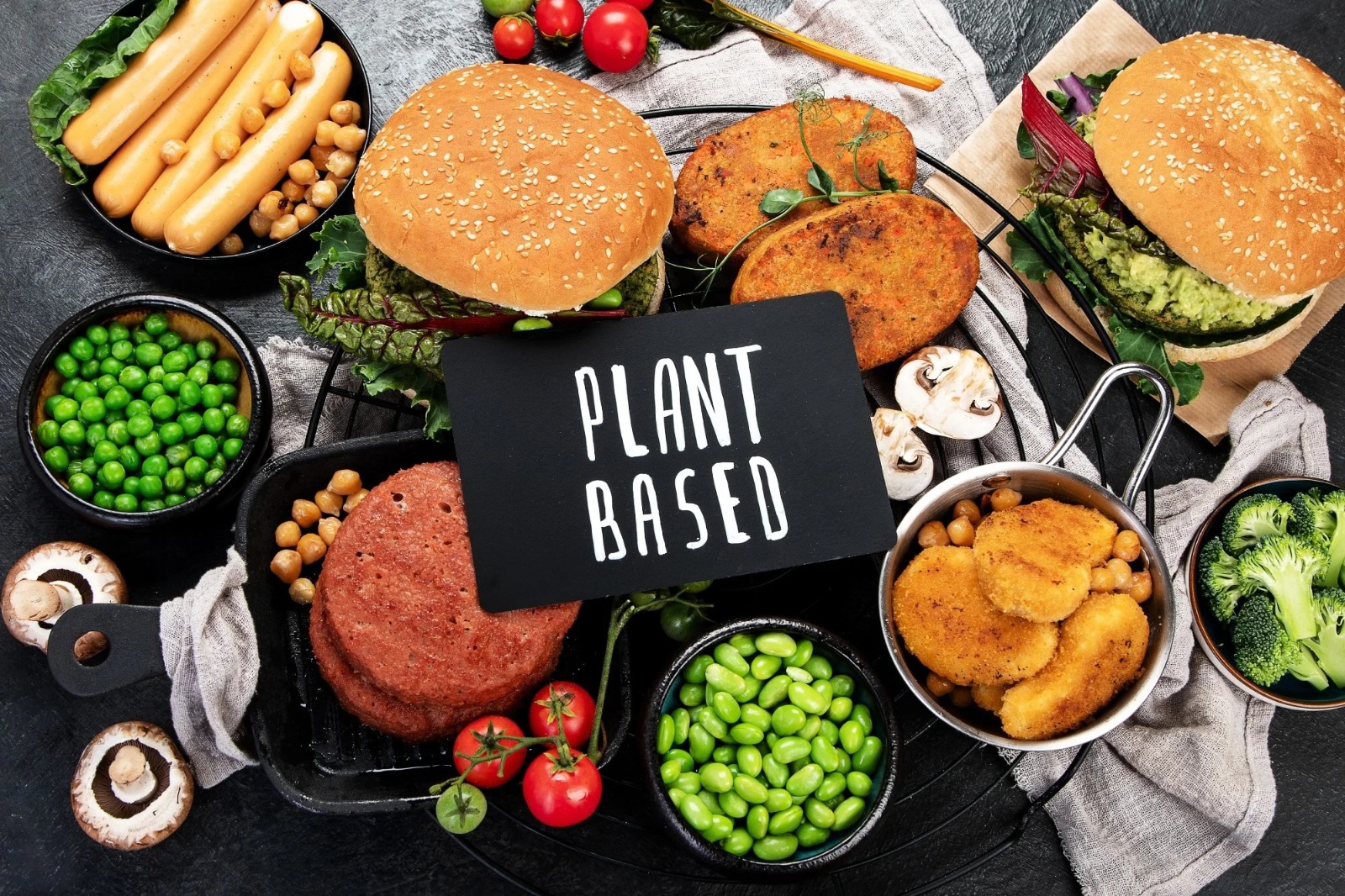
Global Plant-Based Food Market Size and Forecast
The global plant-based food market is redefining the future of food consumption as consumers increasingly prioritize health, sustainability, and ethical choices.
According to the research report “Global Plant-based Food Market Outlook, 2031,” published by Bonafide Research, the global plant-based food market was valued at more than USD 55.37 Billion in 2025 and is expected to reach over USD 122.05 Billion by 2031, growing at a CAGR of 14.45% from 2026 to 2031.
From Alternative to Everyday Choice
Plant-based food is no longer a niche category. What once catered mainly to vegans has now expanded into a mainstream movement embraced by a much wider audience.
Today’s consumers are not necessarily eliminating meat completely - they are reducing it. This shift has given rise to flexitarian diets, where plant-based products are becoming a regular part of daily meals.
From plant-based milk in morning coffee to meat alternatives in quick meals, these products are seamlessly integrating into modern lifestyles.
What is Driving the Demand?
A combination of lifestyle changes and awareness is fueling the rapid growth of the plant-based food market.
Consumers are becoming more conscious of what they eat, focusing on cleaner labels and better nutrition. At the same time, concerns around environmental impact are influencing buying decisions, encouraging a shift toward more sustainable food options.
Convenience also plays a key role. With increased availability across retail and foodservice channels, plant-based options are now easier to access than ever before.
Innovation is Changing the Game
The biggest transformation in this market is happening through innovation.
Food companies are investing heavily in improving taste, texture, and overall experience. Modern plant-based products are designed to closely replicate traditional meat and dairy, making them more appealing even to non-vegetarian consumers.
This continuous innovation is helping bridge the gap between expectation and experience, which has historically been a barrier to adoption.
Trends Defining the Market
The plant-based food market is evolving quickly, shaped by changing consumer expectations.
Clean-label products are gaining strong traction, with buyers preferring simple, recognizable ingredients. There is also a growing demand for high-protein and functional foods that offer added health benefits.
Another noticeable shift is the expansion of plant-based offerings across menus and retail shelves, making these products more visible and accessible to everyday consumers.
At the same time, premium products are emerging, targeting consumers willing to pay more for quality, sustainability, and brand value.
Challenges to Watch
Despite strong momentum, the market is not without its challenges.
Pricing remains a key concern, as plant-based products are often more expensive than traditional alternatives. Additionally, some consumers still question the level of processing involved in these products.
Taste and familiarity also continue to influence purchasing decisions, especially in markets where traditional diets are deeply rooted.
The Road Ahead
The future of the plant-based food market looks promising as it continues to evolve from a trend into a long-term shift in consumption patterns.
As awareness grows and innovation continues, plant-based foods are expected to become a core part of global diets rather than just an alternative option.
See how you can up your career status

The global moringa products market will grow from USD 10.22B in 2024 to USD 18.03B by 2030, expanding at a 10.14% CAGR.
 We are friendly and approachable, give us a call.