

 By Sikandar Kesari
 Related Blog
See how you can up your career status

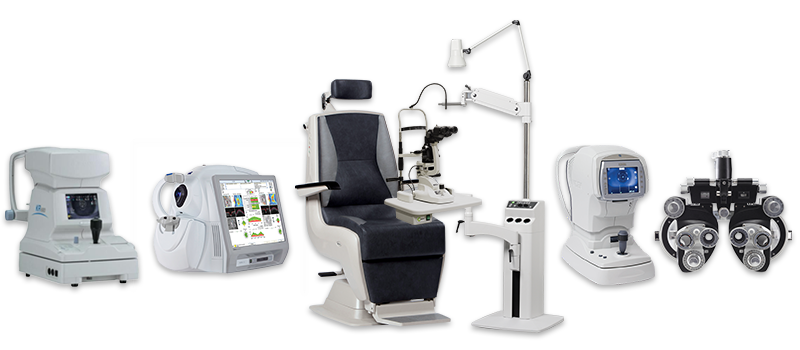
Ophthalmic instruments are essential in providing precise diagnoses and improving patient treatment in today's rapidly changing healthcare environment. The need for cutting-edge eye care solutions is at an all-time high due to aging populations, a greater understanding of vision health, and the increase in digital eye strain. The way eye ailments are detected and treated is being transformed by advancements in ophthalmic technology, ranging from handheld retinal scanners to AI-assisted diagnostics. This state-of-the-art equipment not only enhances the accuracy and efficiency of eye care practitioners but also enhances the patient experience by providing quicker, less intrusive procedures. Practitioners and clinics seeking to stay ahead of the competition must stay current with the newest trends in ophthalmic equipment as the sector moves towards more intelligent, connected devices. This blog is essential reading for experts looking to lead in contemporary vision care since it discusses the most recent developments, major trends, and revolutionary technologies that are influencing the future of ophthalmology.
The integration of artificial intelligence (AI) into diagnostic and screening instruments is a revolutionary development in ophthalmology that has greatly increased the accuracy and availability of eye care. Using retinal images, AI algorithms can now diagnose diseases such as diabetic retinopathy and age-related macular degeneration with an accuracy that is on par with that of experienced physicians. In areas where there is restricted access to specialists, this improvement is especially helpful because it enables early identification and prompt intervention, which may help avoid vision loss. Furthermore, AI-driven instruments simplify the diagnostic procedure, allowing for faster evaluations and lessen the strain on healthcare professionals. In teleophthalmology, where distant consultations and diagnosis are made possible via digital platforms, the use of AI in ophthalmology is expanding to include teleophthalmology, which is helping to make eye care more available to underserved communities. By streamlining clinical procedures and enhancing patient outcomes, these breakthroughs emphasize the revolutionary influence of AI in the area of eye treatment.
The eye care sector is undergoing a dramatic transformation as a result of the integration of artificial intelligence (AI) and smart technology into ophthalmic devices. Due to this trend, manufacturers are forced to innovate in product development and create more intelligent, data-driven diagnostic and surgical equipment that is more precise and automated. Thus, businesses are making significant investments in research and development and establishing strategic alliances with technology businesses in order to maintain their competitive edge. Retailers and clinics profit from providing state-of-the-art equipment, drawing in tech-savvy customers, and establishing a reputation for providing cutting-edge treatment. The effect is particularly strong for consumers, as AI-driven diagnostics allow for faster and more precise evaluations, frequently eliminating the need for lengthy face-to-face visits. Through teleophthalmology solutions, this has increased access to care, particularly in rural or underserved areas. Nevertheless, the move also poses difficulties. High development and implementation costs can be a barrier, especially for smaller practices. The need for stringent regulatory compliance and data security are further concerns. Educating practitioners on how to make the most of this innovative technology is another challenge. The advantages are enticing, nevertheless, despite these obstacles: more efficient operations, fewer diagnostic mistakes, customized treatment regimens, and improved overall eye care delivery efficiency. With time, this trend is anticipated to revolutionize the industry as a whole by giving patients and practitioners alike the resources they need to improve vision health and raise the bar for treatment. The integration of technology and healthcare in ophthalmology is now a reality, not a futuristic concept, that is changing the way we safeguard and protect our eyesight.
Optical coherence tomography (OCT) systems are one of the most popular product categories in the ophthalmic equipment market. These devices have revolutionized contemporary eye care by providing non-invasive, high-resolution images of the retina, optic nerve, and other inner eye structures. OCT is frequently employed to identify and track illnesses like glaucoma, macular degeneration, and diabetic retinopathy, frequently before the patient notices any symptoms. The increasing frequency of these eye illnesses, particularly as a result of aging populations and lifestyle-related illnesses like diabetes, is a key factor in the growing need for OCT systems. The technological improvements in imaging, such as quicker scan rates, increased resolution, and the incorporation of AI for automated picture analysis, are additional important driving forces. These advancements enable more accurate diagnoses and quicker clinical procedures. Furthermore, the drive for telemedicine and remote treatment has created new prospects for portable and user-friendly OCT equipment, which makes it simpler to treat patients in rural or underprivileged communities. As healthcare moves toward value-based models, there is a great need for instruments that increase diagnostic accuracy, enhance patient outcomes, and lower the overall cost of care. Although the expensive upfront expense of OCT devices may be a hurdle for smaller practices, government healthcare programs and leasing options in many locations are helping to close this gap. Oct is leading a group of diagnostic and monitoring instruments that are at the forefront of ophthalmic innovation, improving results, and establishing new benchmarks for the provision of eye care.
See how you can up your career status
 We are friendly and approachable, give us a call.