

 By Priyanka Makwana
 The Role of PVC in Sustainable Packaging and Manufacturing
The global PVC market was valued at over USD 50.11 billion in 2024, with regulations ensuring product standards.

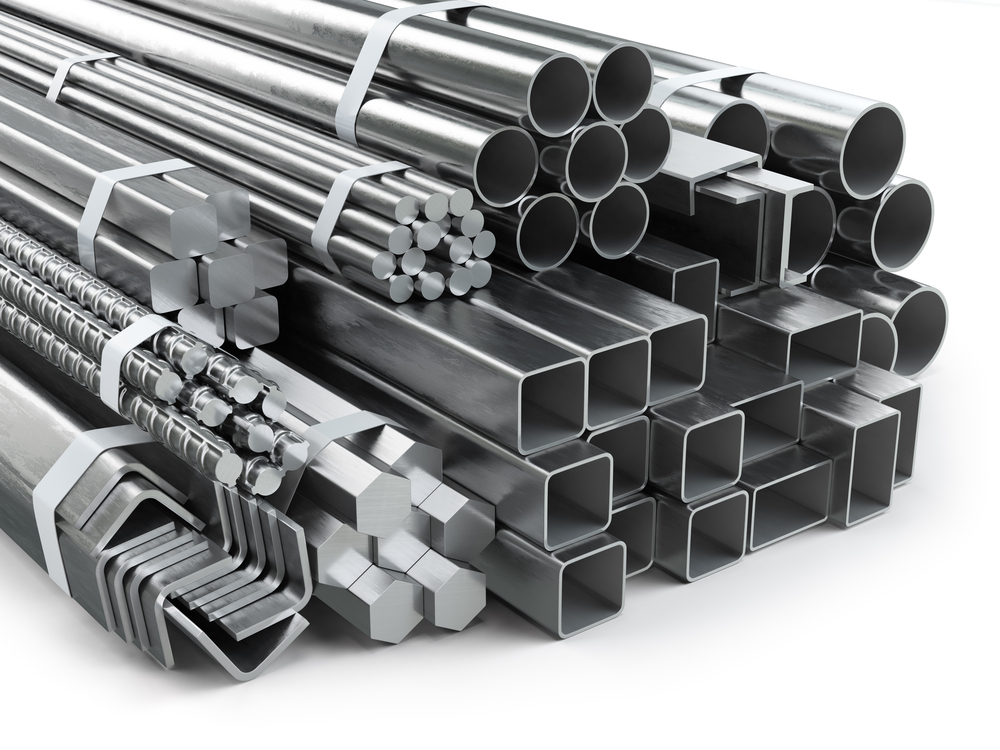
Structural steel is the backbone of modern infrastructure, and it is essential to the construction of everything from skyscrapers and bridges to residential structures and industrial plants. The strength, adaptability, and recyclability of structural steel are becoming increasingly valued as the world moves toward sustainable, efficient, and robust construction. Steel is becoming the preferred material for builders and developers in today's climate-conscious and rapidly changing urban environment, since it promotes both innovation and environmental responsibility. The growing demand for green and modular building, where steel's capacity for prefabrication, reuse, and quick construction makes it perfect, is the major trend influencing the market right now. Furthermore, the uses and potential performance of steel are increasing due to improvements in high-performance alloys and manufacturing techniques. This site examines the reasons why structural steel is emerging as a cornerstone of the future built environment and how it is changing to satisfy current building needs.
In response to the changing demands of contemporary construction, the market for structural steel is currently undergoing a major shift. The growing trend toward modular and green building is one of the most noticeable changes happening in the industry. Builders are being squeezed to provide quicker, more affordable, and ecologically sound solutions as cities become more populous and sustainability becomes a worldwide priority. This equation is ideal for structural steel. Due to its great strength-to-weight ratio, versatility, and recyclability, it is a preferred option for architects and engineers trying to create structures that are both long-lasting and environmentally friendly. The advent of modular construction is creating new opportunities for expansion. Structural steel allows for the production of components offsite under regulated circumstances, which can then be transported and put together fast at the job. This method lowers labor and construction costs while also reducing waste and site disturbance. Steel's intrinsic recyclability it is one of the most recycled materials worldwide also makes it a crucial component of the circular economy of building. Improvements in steel alloys and manufacturing processes are further increasing its attractiveness by providing better corrosion resistance, seismic performance, and design versatility. Consequently, structural steel is now recognized as a flexible answer to the problems of contemporary construction rather than merely a conventional framing material. Steel is becoming a crucial component of the industry's initiatives to satisfy the future's need for strength, speed, and sustainability while upholding aesthetic and structural excellence, as evidenced by sustainable skyscrapers, prefabricated housing, and disaster-resistant infrastructure.
The construction industry is being redefined at several levels by the move towards modular and sustainable building using structural steel. The trend has resulted in higher demand for prefabricated steel parts for producers, which has spurred investments in cutting-edge manufacturing equipment, digital design software, and automation technology. Waste is minimized, accuracy is improved, and production times are shortened by this modification. There is an expanding market for bespoke steel goods, such as high-strength and corrosion-resistant alloys made for particular environments like seismic or coastal areas, according to retailers and distributors. Suppliers must also adjust their inventories and logistical plans as the variety of products and technical needs increase. The trend has a lot of benefits for consumers, including homeowners, companies, and governments. Through energy-efficient construction and recyclable materials, structural steel enables quicker project completion, more robust buildings, and environmentally friendly decisions. It supports cutting-edge designs that were previously difficult or expensive to produce using conventional materials such concrete or wood. However, the trend is not without its difficulties. Changes in steel prices can affect budgets and planning due to disruptions in the worldwide supply chain. Not all areas have the skilled workforce or manufacturing infrastructure necessary to execute modular steel building on a large scale. Stakeholders who are used to traditional approaches may resist, necessitating training and education to alter their perspective. Even with these obstacles, structural steel is becoming increasingly popular in contemporary projects due to its advantages in terms of speed, sustainability, flexibility, and lower long-term expenses. By satisfying both present demands and future aspirations, this shift is moving the sector in the direction of a more environmentally friendly, efficient, and adaptable future.
Due to their extensive usage in large-scale infrastructure and commercial construction projects, hot-rolled steel sections are the dominant segment of the structural steel market. Because of its superior strength, longevity, and design flexibility, hot-rolled steel is perfect for constructing frames, bridges, industrial facilities, and skyscraper structures. It is a basic option in projects that require dependability and long-term performance because of its capacity to sustain large loads while preserving structural integrity. The compatibility of hot-rolled steel sections with contemporary construction methods, notably modular and prefabricated building systems, is one of the major factors contributing to their widespread usage. These parts may be manufactured in a wide range of forms and sizes, giving architects and engineers more creative flexibility while maintaining quality consistency. Another significant reason is the increasing emphasis on sustainability hot-rolled steel is very recyclable and has a lesser overall environmental effect than conventional construction materials. The need for resilient building, infrastructure development, and urbanization are creating new prospects for this product category. The need for strong yet flexible materials like hot-rolled steel keeps increasing as cities grow and governments invest in infrastructure that is both smart and sustainable. The growing economies of Asia, Africa, and Latin America are especially promising because of their continuous development initiatives. Innovations in steel production technology, like thermomechanical processing and high-strength low-alloy (HSLA) formulations, are enhancing the performance qualities of hot-rolled steel, allowing for lighter constructions without sacrificing strength. For both manufacturers and construction businesses, these advancements provide great prospects for expansion.
A combination of sustainability, digitalization, and intelligent building techniques will define the future of the structural steel sector. Due to its high recyclability and versatility, structural steel will be even more important in green building projects as the world transitions to low-carbon economies. Future building will place a growing emphasis on modular steel systems, hybrid steel buildings, and pre-engineered steel buildings, all of which provide speed, efficiency, and a smaller environmental footprint. The way steel components are designed, produced, and put together is predicted to undergo a transformation thanks to new technologies like Building Information Modeling (BIM), 3D laser scanning, and robotic fabrication, which will result in increased accuracy and less waste. The use of high-performance steel alloys, which can endure harsh environmental circumstances, will broaden the material's application in climate-resilient construction, renewable energy infrastructure, and smart cities. Furthermore, the use of digital twin technology and AI-powered supply chain tools will simplify project management and enable real-time tracking of structural health and performance. Businesses must prioritize sustainability in product development, invest in cutting-edge manufacturing techniques, and collaborate with tech innovators in order to stay ahead of the curve. In order to satisfy changing urban needs and building codes, architects and engineers should adopt flexible steel design methods. When making decisions about real estate or infrastructure, consumers may prioritize sustainable construction, and legislators can encourage this change by promoting green materials and contemporary building standards. Structural steel is not just at the center of contemporary construction trends, but it is also seen as a fundamental material in the greener, faster, and smarter buildings of the future.
See how you can up your career status

The global PVC market was valued at over USD 50.11 billion in 2024, with regulations ensuring product standards.
 We are friendly and approachable, give us a call.